What Is 2PL (Second-Party Logistics)?
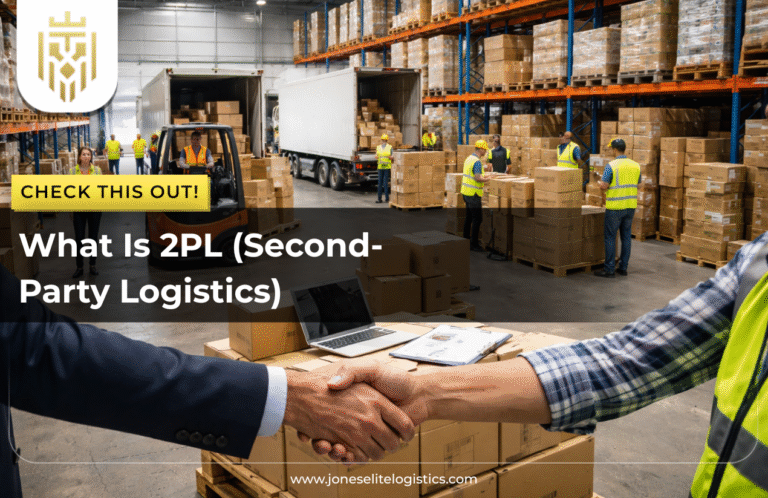
2PL is a supply chain model where an arrangement is formed between two parties: a manufacturing company that wants to deliver its goods to a particular destination and a transportation company that will deliver these goods via their fleet of vehicles. Knowing what is 2PL enables companies in controlling freight without intermediaries as the core activity of second-party logistics is centred on the use of assets to transport the products within the larger supply chain.
Advantages of Second Party Logistics (2PL)
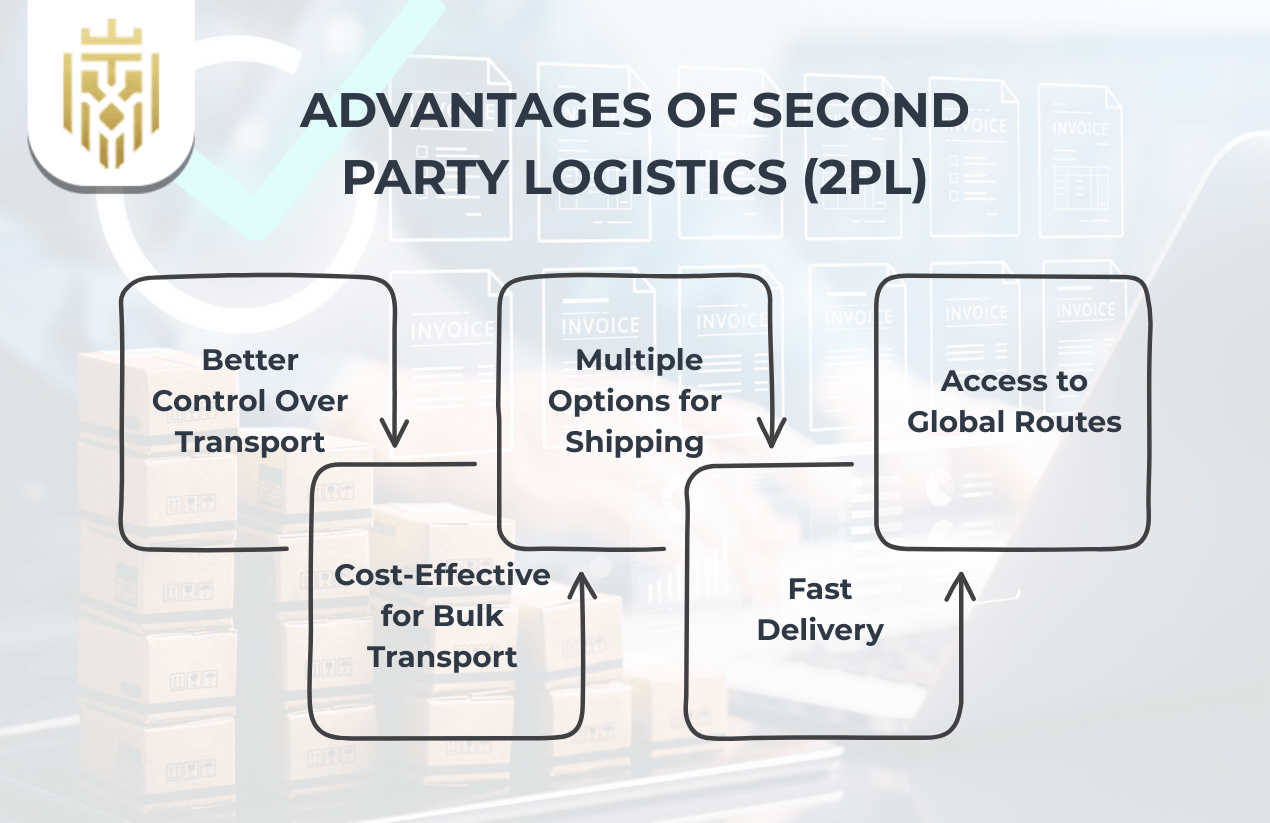
Second-party logistics provides benefits of having direct control over carriers, forecasted transport expenses, and an effortless operation. One of the reasons why many companies are attracted to 2PL logistics is communication enhancement with a logistics provider, which ensures the safety of the freight transportation without outsourcing the logistics management processes.
Better Control Over Transport
Under 2PL logistics, the businesses retain direct control over transport services, schedules, and routing decisions. This model fosters accountability, where freight carriers are dedicated to the execution only, which contributes to increased logistics management and supply chain visibility.
Cost-Effective for Bulk Transport
The high cost-effectiveness of large-volume trucking is one of the greatest advantages of 2PL logistics. With direct utilisation of freight carrier, organizations can lower intermediary rates, maximize carrier services and cut the overall transportation expenses in a standardised shipping services.
Fast Delivery
Direct communication between shippers and freight transportation providers allows it to be passed through more quickly. The simplified communication in the second-party logistics minimises delays and therefore enables the transport services to execute effectively and ensure consistency in the performance of delivery across the regional and international supply chain routes.
Multiple Options for Shipping
Under 2PL, businesses are offered the option of road, rail, sea, or air shipping options based on the needs of the cargo. This enables logistics providers to customize carrier services based on their cost, speed, or capacity without the complicated contractual framework.
Access to Global Routes
The second-party logistics have many freight carriers that provide a wide domestic and international network. This international connectivity enables exporters by incorporating transport services within the operations of the cross-border supply chain and maintaining an asset-centric and efficient execution of logistics.
Disadvantages of 2PL
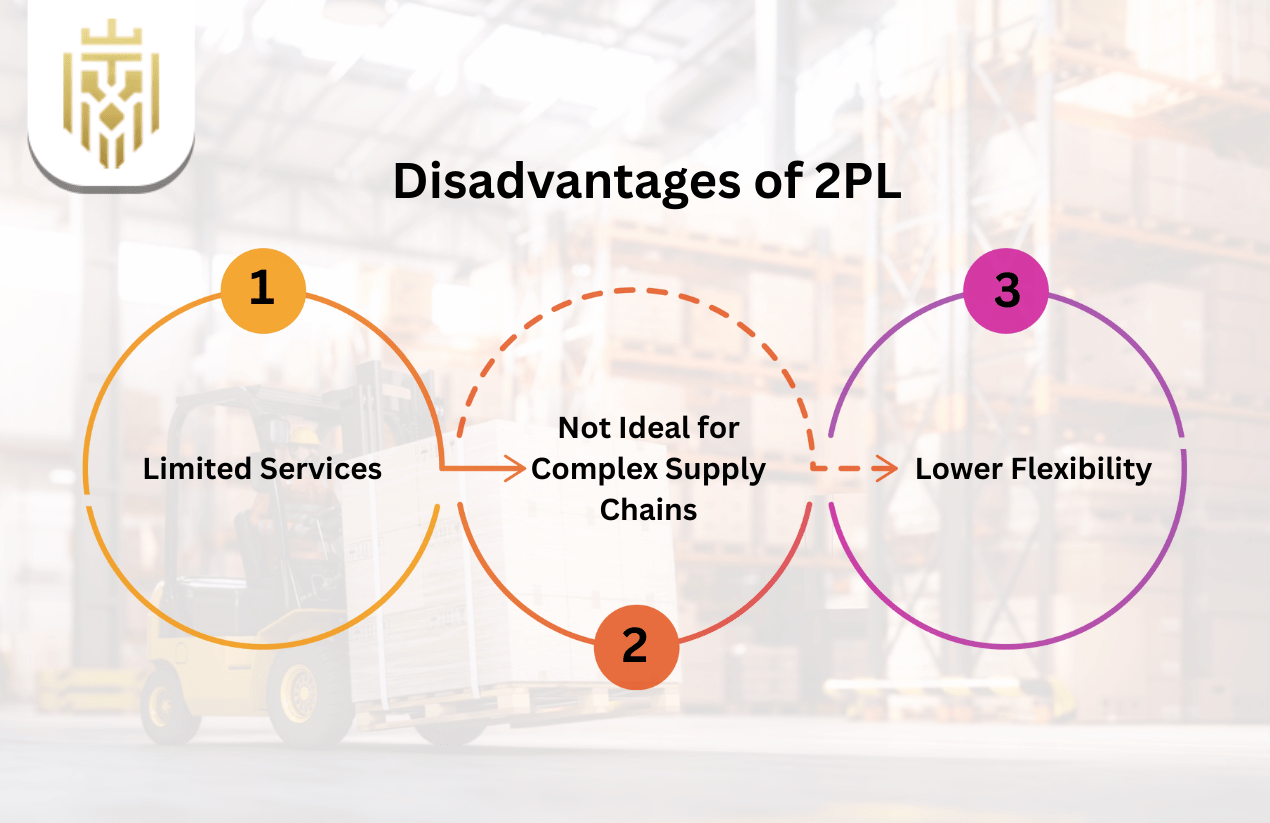
Although 2PL logistics has strong points, it also has weaknesses such as a limited range of services and lack of support in strategic planning. Those companies that have complex supply chain processes might not be able to coordinate sufficiently, have visibility or have sophisticated logistics management needs based on the second-party logistics.
Limited Services
One of the major weaknesses of 2PL is that it is narrowly focused on transportation. Freight carriers, in contrast to integrated logistics providers, do not control the warehousing, inventory, or order fulfilment, which limits the optimisation of the end-to-end supply chain.
Not Ideal for Complex Supply Chains
Multi-node networks in organizations might not work well without the use of third-party logistics. The inability of 2PL logistics to provide orchestrated approaches means that it is difficult to coordinate the various transport services and players in fluctuating and global supply chains.
Lower Flexibility
2PL does provide a limited level of flexibility during disruptions compared to more advanced outsourcing models. The dependence on one freight carrier may decrease responsiveness, which influences the performance of logistics management in case there are changes in routes, volumes, or market situations.
What is the difference between 2PL, 3PL, 4PL, and 5PL?
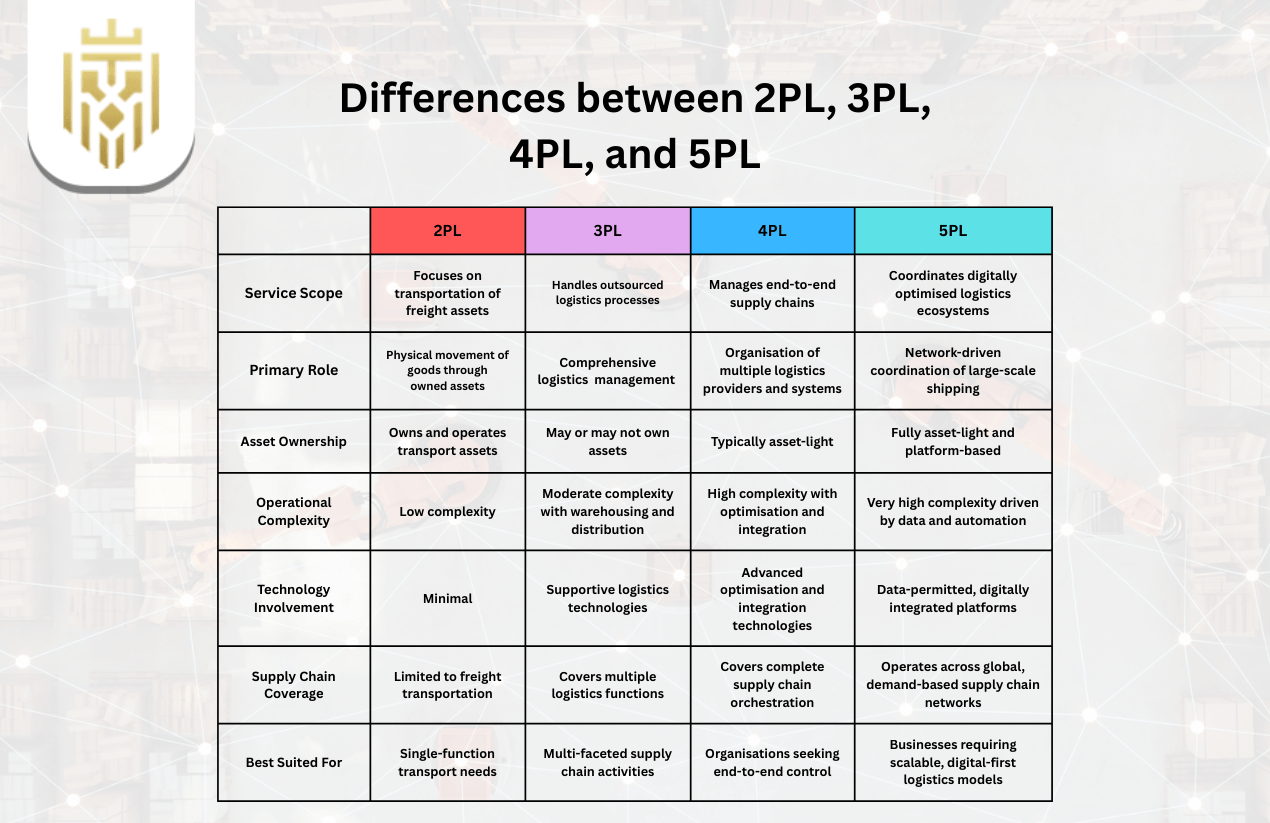
The distinction between 2PL, 3PL, 4PL, and 5PL is the complexity of the services, where 2PL deals with the transportation of assets, 3PL deals with outsourcing the logistical processes, 4PL takes care of the end-to-end supply chains, whereas 5PL deals with digitally optimized and network-driven logistics ecosystems.
2PL vs. 3PL
In the distinction between 2PL and 3PL, 2PL logistics involves the delivery through owning assets, and 3PL companies involve comprehensive logistics management, which includes warehousing and distribution. This renders 3PL more appropriate in multi-faceted supply chain activities.
2PL vs. 4PL
The strategic differences between second-party logistics and 4PL are in the fact that 2PL is involved in the transportation of freight, and 4PL in the organisation of several providers, technology, and optimisation. This difference explains why logistics providers have changed in the current supply chain models.
2PL vs. 5PL
The difference between 2PL and 5PL logistics is the digital integration. Whereas freight carriers process physical movement, 5PL providers use data-permitted platforms to coordinate large-scale shipping services within global demand-based supply chain networks.
How Does 2PL Work?
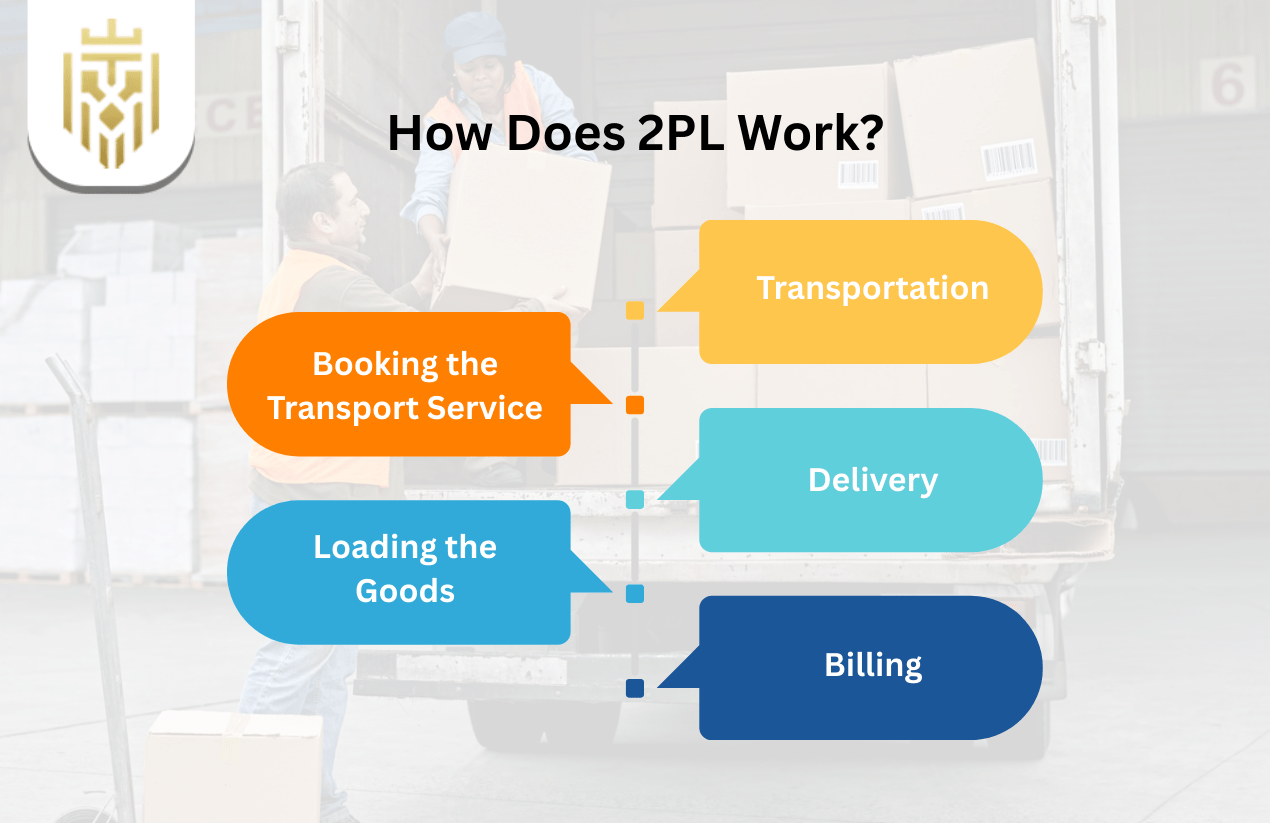
To comprehend what is 2PL, it is important to look at its flow of operation, whereby a shipper directly hires the services of a freight carrier to carry out the transportation. In second-party logistics, assets in the form of transport are owned, and the movement is executed by the carrier, planning, the coordination and general supply chain decisions are made by the shipper.
Booking the Transport Service
In 2PL logistics, the shipper makes the direct freight carrier booking as per the route availability, capacity and cost. This step will establish the roles, schedules, and costs, which will be clear in the logistical management and leave the control of transport choice in shippers to the larger supply chain.
Loading the Goods
After the booking is confirmed, goods are packed and loaded in the vehicle of the carrier based on the standards of safety and compliance. When it comes to second-party logistics, loading may be monitored by the shipper to maintain the integrity of the cargo, the efficiency of transportation of the freight, and the compliance with the agreed-upon transport services specifications.
Transportation
The freight carrier physically moves the goods during transit and has ownership of the assets of trucks, ships or rail. In this stage, the role of carriers in 2PL is emphasised, which is on timely delivery, efficiency in routes and reliability of execution in the logistics management processes.
Delivery
Upon arrival, the carrier unloads and delivers goods to the consignee on contractual terms. Owing to successful carrier services, the accuracy of delivery, verification of condition, and documentation completion, continuity of the supply chain can be achieved with no further value-added logistics intervention.
Billing
The carrier sends the invoice with agreed shipping services, distance, and type of loads after the delivery. Billing can also be considered as simple in 2PL logistics because there is an open display of pricing and few levels of administration in the form of managing costs and accountability in logistics service systems.
FAQ
1) What Is 2PL (Second-Party Logistics)?
The 2PL is a logistic scenario in which a company contracts a carrier that owns the assets directly into providing transportation services, but is primarily associated with freight movement throughout the supply chain.
2) What is the difference between 2PL and 3PL?
2PL offers transport, whereas 3PL provides a more extensive range of logistics services, including warehousing, inventory control, and organisation of a variety of logistics operations.
3) What is the difference between 2PL and 4PL?
2PL deals with physical transportation, and 4PL deals with the whole supply chain and coordinates the efforts of several service providers with the help of the strategic control and integration of technologies.
4) What is the difference between 2PL and 5PL?
2PL is also centred on carrier-based transport services, whereas 5PL deals more with fully digital and network-based supply chains with a greater focus on automation, data analytics, and scale optimisation of logistics.
5) What are the advantages of second-party logistics?
Second-party logistics provides economical carrier delivery, direct negotiating control of the carriers, expeditious deliveries, streamlined logistics control and appropriateness to companies that have steady, predictable delivery needs.