What Is Haulage?
Haulage involves the movement of merchandise between different places utilizing trucks, lorries, or large vehicles. It involves a wide range of cargo transport, including commercial products, building supplies and machinery, containers, and hazardous materials. Haulage is essential in logistics as it links various points of the supply chain: producers, storage facilities, ports, distribution hubs, and end consumers.
In basic terms, if logistics is the framework that sustains supply chains, haulage is the mechanism that propels the movement of physical goods. Businesses depend on transportation services to guarantee timely deliveries and safe arrivals at destinations.
Types of Haulage
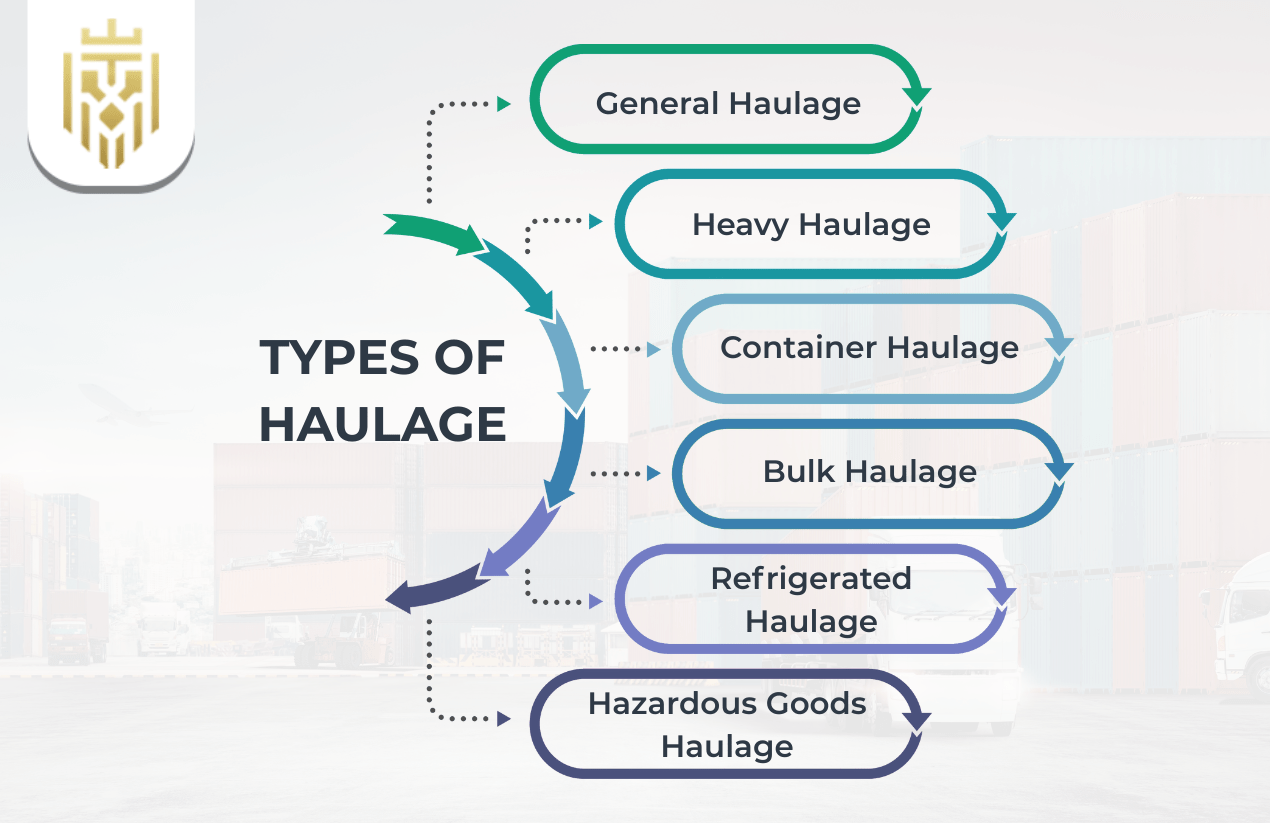
Businesses use different types of haulage depending on the nature, size, and requirements of their cargo. Knowing the different categories enables the companies to select the appropriate mode of transportation to be efficient and cost-effective.
General Haulage
General haulage involves transporting everyday commercial goods that do not require special handling, temperature control, or oversized vehicles. These are packaged goods, retail goods, consumer goods, equipment and general goods. This type of haulage is widely used by businesses that need routine transportation support. The flexibility of general haulage makes it ideal for both short-distance and long-distance deliveries, offering reliability for regular logistics needs.
Heavy Haulage
Heavy haulage deals with moving oversized, overweight, or high-capacity cargo such as industrial machinery, construction equipment, large vehicles, and infrastructure components. Its complexity means that it needs special trucks, trained drivers, and even escorts in order to travel safely on the road. Heavy haulage is crucial for industries like mining, construction, energy, and engineering, where bulky materials must be transported securely and legally.
Container Haulage
Container haulage focuses on transporting shipping containers between ports, terminals, warehouses, and distribution hubs. These containers may carry various types of goods, making container haulage an essential service in global trade. It removes hustles in the inland transport of goods discharged by sea or those heading for exportation. Efficiency in container haulage helps reduce port congestion and accelerates supply chain flow.
Bulk Haulage
Bulk haulage refers to the movement of loose, unpackaged materials such as grains, coal, cement, sand, aggregates, and minerals. These products are normally loaded in tankers, tipper trucks or bulkers that have the capacity to carry large quantities. This haulage type is vital for manufacturing, agriculture, and construction sectors that rely on a steady supply of raw materials.
Refrigerated Haulage
Refrigerated haulage, also known as reefer haulage, ensures temperature-sensitive goods are transported in a climate-controlled environment. This relates to food products, pharmaceuticals, medical supplies, and chemicals that have to remain at a certain range of temperature. Refrigerated trucks are used to preserve goods against spoilage and contamination, thus being the most important in cold chain logistics.
Hazardous Goods Haulage
Hazardous goods haulage involves transporting materials classified as dangerous, such as chemicals, flammable liquids, gases, and toxic substances. This service requires strict safety regulations, trained professionals and specialised vehicles. The adherence to the standards of regulations provides safe transportation and lowers the probability of accidents during delivery.
Benefits of Haulage for Businesses
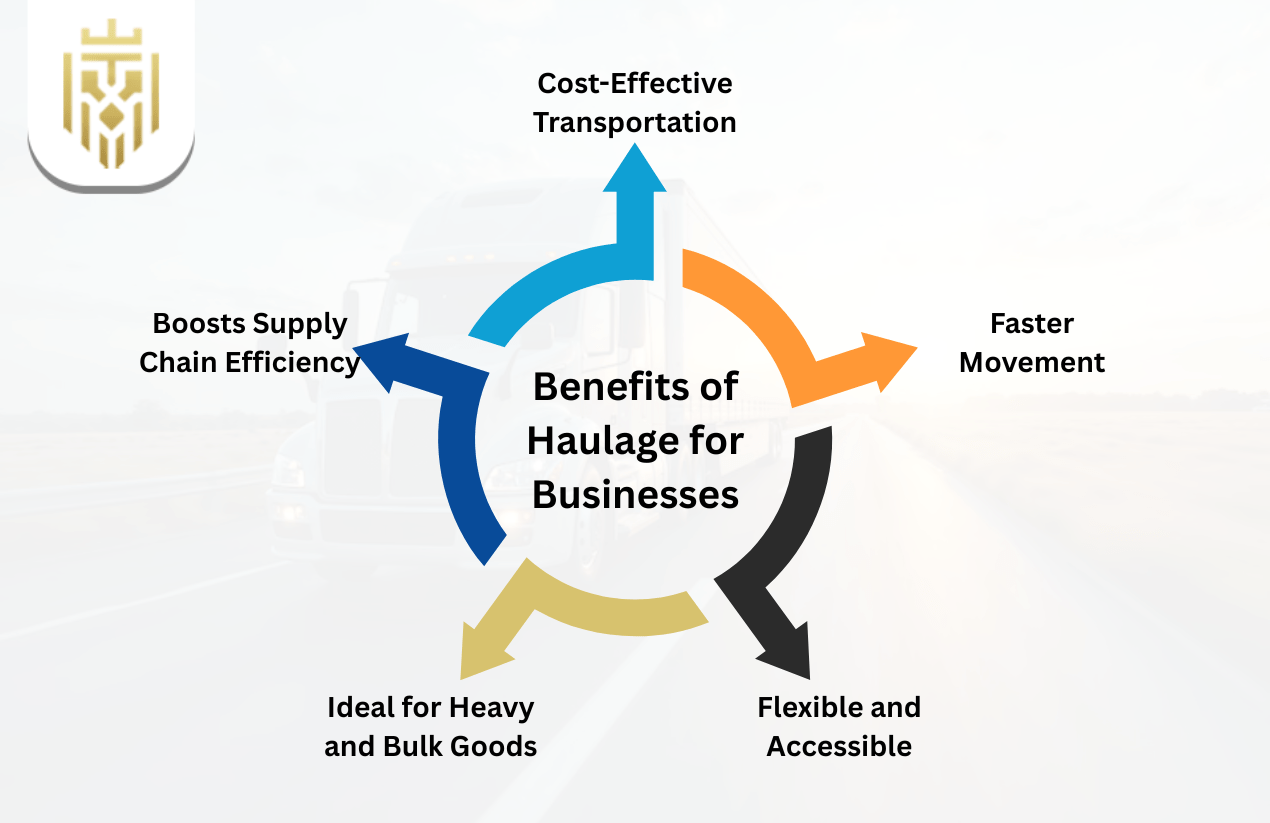
Haulage services offer a wide range of advantages that directly contribute to stronger, more efficient supply chains. From cost savings to operational reliability, businesses depend on haulage companies to maintain smooth goods movement.
Cost-Effective Transportation
Professional haulage allows businesses to avoid the expense of owning and maintaining their own fleet. This saves on the cost of operation and allows the firms to increase or decrease shipment according to demand. By partnering with experienced haulage companies, businesses can optimise delivery routes, reduce fuel consumption, and improve overall transportation efficiency.
Faster Movement
Haulage services prioritise speed and punctuality, ensuring goods move quickly across the logistics chain. The businesses are able to realise faster turnaround times with the help of dedicated vehicles, real-time tracking, and experienced drivers.
Increased speed will mean enhanced productivity and greater ability to service customers properly by companies.
Flexible and Accessible
One of the biggest advantages of haulage logistics is flexibility. The trucks are able to reach isolated places, industries, ports and distribution centres without challenges. This flexibility ensures last-mile, mid-mile, and long-haul deliveries are completed without disruptions, making haulage one of the most adaptable transportation solutions available.
Ideal for Heavy and Bulk Goods
Haulage is designed to support the movement of heavy machinery, bulk materials, and oversized cargo that other transport methods cannot handle. Specialised vehicles and equipment ensure these goods are transported safely, making haulage the preferred solution for industrial and manufacturing sectors.
Boosts Supply Chain Efficiency
Efficient haulage services help streamline logistics operations by ensuring goods reach their destinations on time. This enhances the interaction of production, warehousing and distribution and eventually improves the performance and consistency of the supply chains.
How Does Haulage Work?
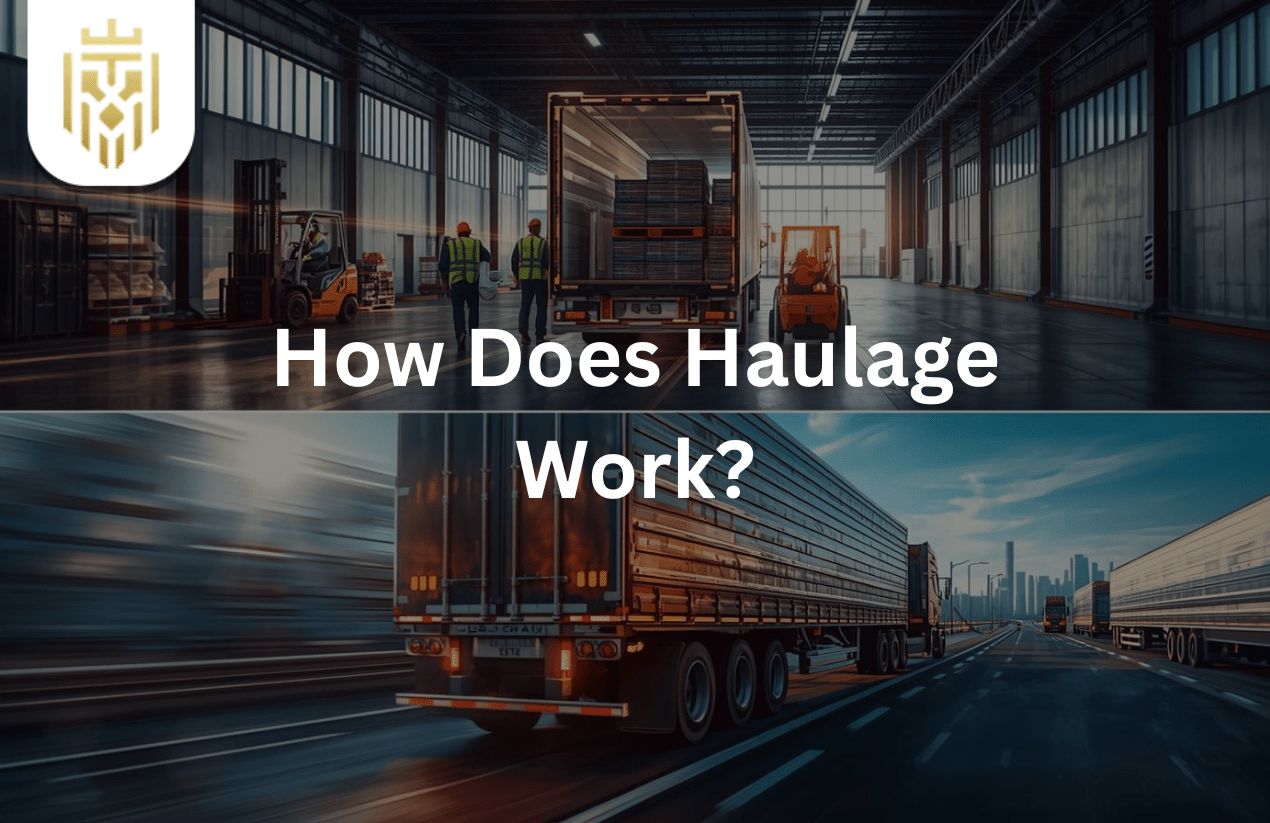
Behind every successful delivery lies a detailed and structured haulage process. Haulage companies follow a series of steps to ensure safety, accuracy, and efficiency from start to finish.
Cargo Assessment
The initial one is the analysis of the nature, weight, size, and type of cargo. This assists in deciding the proper vehicle, equipment, and handling requirements. Cargo assessment is essential to ensure safety, prevent damage, and select the best haulage method for the goods being transported.
Vehicle Selection
Based on the cargo assessment, haulage providers choose the appropriate truck or trailer. This can be in the form of flatbeds, container carriers, bulkers, low loaders or refrigerated trucks. The suitable vehicle guarantees safe transportation and adherence to the regulatory rules.
Route Planning
The planning of routes aims at finding the safest, fastest and most effective route to take on the trip. The factors considered include road conditions, traffic, restrictions, fuel stops and delivery deadlines. Timely deliveries and reduced delays are facilitated by good route planning.
Loading and Securing Goods
When the vehicle is prepared, the goods are loaded very carefully with the help of such machinery as forklifts or cranes, based on their weight and structure. Straps, chains, locks, and containment systems are some of the secured means which make the cargo stable during the trip.
Unloading and Delivery
When arrived at the destination, the cargo is safely unloaded and delivered to the recipient. Correct documents, validation, and quality control will be taken into consideration so that the delivery is done correctly and effectively.
FAQ
1. What Is Haulage?
Haulage refers to the movement of goods using trucks or heavy vehicles as part of supply chain operations. It involves general cargo, bulk materials, containers, refrigerated goods, and hazardous goods.
2. What are the benefits of haulage for business?
Haulage offers cost-effective transportation, faster delivery times, flexibility, suitability for heavy materials, and improved supply chain performance.
3. What are the different types of haulage?
Common types include general haulage, heavy haulage, container haulage, bulk haulage, refrigerated haulage, and hazardous goods haulage.
4. How does haulage work?
Haulage work involves cargo assessment, vehicle selection, route planning, loading and securing goods, and final delivery.