What is Material Procurement?
Material procurement meaning refers to researching, selecting, ordering, and paying for raw materials. Companies refine vendor selection, contract agreements, and supply chain operations. A structured material procurement procedure helps secure materials at lower costs while meeting schedules and quality standards. Effective procurement supports long-term business growth and supply chain stability.
How is the Procurement of Materials Managed in Different Industries?
Different industries manage raw material procurement through supplier evaluation, contract negotiations, and timely deliveries. Pharmaceuticals focus on quality, while manufacturing maximises efficiency. Procurement methods vary based on regulations and sustainability goals. Strategic procurement ensures industry-specific requirements are met without disruptions.
Importance of Material Procurement
A strong material procurement procedure ensures a steady raw material procurement supply, cost efficiency, and quality control. Effective material procurement enhances operational efficiency and reduces supply chain disruptions. Businesses benefit from improved supplier relationships and risk mitigation.
Factors to Consider in Material Procurement :
Material procurement depends on four key factors: quality, availability, cost, and delivery time. Supplier assessment, price negotiations, and efficient distribution ensure smooth operations and cost control. Balancing these factors improves overall supply chain performance.
Quality
Organizations assess suppliers, product specifications, and regulatory compliance to maintain high standards. Strict quality control prevents defects and ensures production consistency. Reliable raw material procurement enhances product durability and customer satisfaction.
Availability
A steady raw material procurement supply prevents production delays and procurement failures. Efficient material procurement procedures ensure business continuity during demand fluctuations. Supplier reliability and market trends play a crucial role in procurement success.
Cost
Strategic material procurement involves price comparisons, supplier negotiations, and logistics cost analysis. Weighing material quality against price ensures cost-effective raw material procurement. Effective budgeting and cost control lead to sustainable operations.
Delivery Time
Timely material procurement procedures depend on supplier responsiveness, supply chain efficiency, and demand forecasting. A structured procurement process minimises delays and ensures supplier accountability. Reliable delivery schedules improve production planning and market responsiveness.
Supplier Reliability
In the procurement process and continuous flow of production, supplier reliability plays a vital role. A clear procurement process would measure the consistency of the vendors, delivery schedules and quality. Vendor selection in procurement is a crucial aspect that would lead to stable supply chains. This also enhances trust and functioning in the acquisition of materials.
Compliance and Regulations
The execution of procurement management laws protects businesses against lawsuits and incompetence. Compliance with international and local standards can be understood when remembering the proper material procurement meaning. Implementing strategic procurement ensures all the legal and ethical requirements are adhered to, and companies are not affected by disturbances, fines, and market reputation.
Market Trends
The tracking of market changes and other factors of material procurement assists organisations to react promptly to changing demand. The knowledge of procurement in supply chain dynamics will help teams make wise purchases. Aligning procurement planning with market insights might enable companies to obtain materials at the optimal price and stay competitive.
Risk Management
A powerful procurement material plan assists in reducing the uncertainties such as fluctuations in prices and interruptions in supply. Some of the steps involved in the evaluation of risks include the evaluation of supplier history, market stability, and capacity of deliveries. Procurement management ensures that the businesses are more equipped to handle such unpredictable situations, thereby limiting both the operational and financial risks.
Types of Procurement
Material procurement is classified into direct procurement for raw material procurement, indirect procurement for operational needs, and online procurement through digital platforms. Each type follows a structured material procurement procedure for efficiency. Understanding procurement types helps businesses streamline sourcing strategies.

Direct Procurement
Direct raw material procurement secures materials for manufacturing finished goods. A structured material procurement procedure ensures high-quality materials and cost management. Industries like construction and manufacturing rely heavily on direct procurement.
Indirect Procurement
Indirect procurement is among the types of procurement that covers essential goods and services for daily operations. A well-planned material procurement procedure ensures smooth procurement of office supplies, IT services, and maintenance. Effective planning prevents overspending and ensures operational continuity.
Online Procurement
Online material procurement simplifies sourcing through digital platforms with automated vendor selection and order tracking. E-procurement enhances transparency, reduces costs, and improves efficiency. Online procurement modernises supply chain operations.
Steps for Procurement Process
The procurement process includes identifying needs, requisition approval, supplier selection, contract negotiation, order placement, material inspection, and payment processing. A structured material procurement procedure rightly selected from the types of procurement ensures smooth operations and cost savings in all steps. Following a formal process enhances procurement reliability and efficiency.

Identify Needs
Businesses assess raw material procurement requirements based on production needs. A thorough evaluation helps define budget limits and selection criteria. Accurate need assessment prevents unnecessary purchases.
Supplier Sourcing & Selection
Understanding the nuances of supplier sourcing and selection can also involve learning material sourcing, which is the process used in finding and screening vendors in terms of cost, quality and delivery. Direct procurement models make sure that the supplier is efficiently chosen to fulfil production schedules. The e-procurement systems also facilitate streamlining the process, providing transparency and efficiency in sourcing materials worldwide.
Purchase Requisition
A purchase requisition records item details, budget, and quantity requirements. A systematic material procurement procedure improves approval workflows. Proper requisition planning ensures efficient procurement.
Planning and Scheduling
Organizations align raw material procurement timelines with production goals. Demand forecasting prevents stock shortages or excess inventory. Well-planned procurement optimises supply chain efficiency.
Negotiation and Placement of Order
Negotiation secures better pricing, delivery terms, and quality guarantees. Structured discussions help create favourable material procurement agreements. Optimized order placement reduces costs and risks.
Receipt and Inspection of Material
Materials are received and inspected for quality and order accuracy. Thorough checks ensure compliance with raw material procurement standards. A structured inspection process prevents defective materials from entering production.
Payment to the Supplier
Payments are processed after verifying invoices and order completion. Prompt payments maintain strong material procurement supplier relationships. Transparent transactions build trust and ensure a steady supply chain.
Advantages of Effective Material Procurement
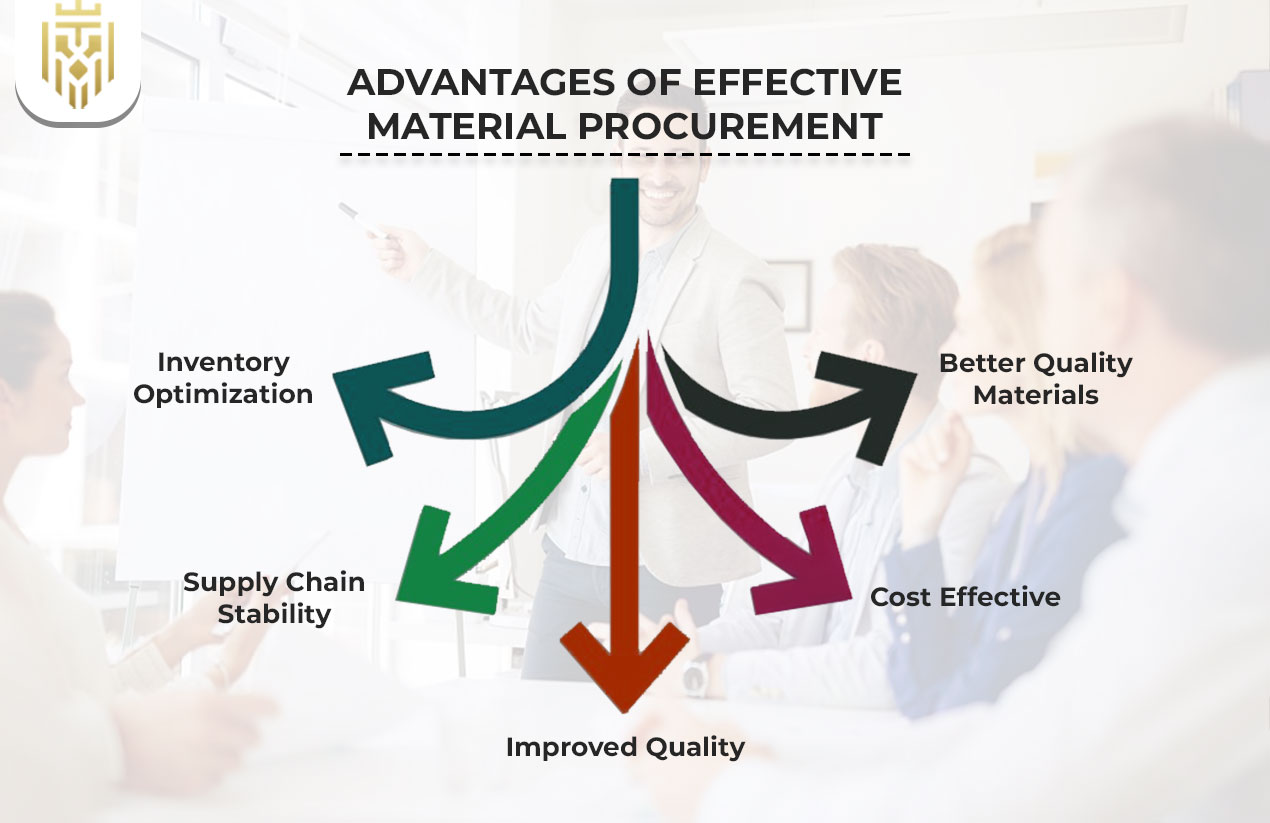
There are numerous benefits to selecting the right one from the types of strong procurement strategies, encompassing cost-saving benefits to operational resilience. Effective procurement management is a strategy which enhances better quality of materials, sourcing and planning. It also improves the efficiency of the supply chain. This can be achieved through knowing the significance of material procurement, which enables businesses to achieve competitive advantages and guarantee long-term growth.
Inventory Optimization
Effective procurement helps in inventory optimization to eliminate overstocking and shortages. Firms are also applying e-procurement applications to make timely demand and be able to react quicker to changes. This results in the increased efficiency of the operation. The advantages of procurement are the improved allocation of resources and lower holding costs along the supply chain.
Supply Chain Stability
An effective procurement process increases the stability of the supply chain because it facilitates a continuous supply of raw materials. Procurement planning helps businesses to strike a balance between demand and supply. The material procurement meaning guides companies into ensuring continuity in the operations in order to prevent disruptions and enhance production efficiency.
Improved Quality
The enhancement of quality is initiated by the procurement of high-quality materials with reliable suppliers. With strategic procurement, there are rigid guidelines that keep businesses in check in regard to product output. Importance of material procurement makes sure that all the materials obtained are according to quality expectations, less rework is required, and customer satisfaction is increased.
Cost Effective
Good procurement strategies help companies to negotiate for lower prices and manage expenses. Online procurement systems reduce the time and cost involved in going through suppliers. This enhances the general performance of the operations. Some of the benefits of procurement strategies are improved cost awareness and higher profitability due to smarter sourcing actions.
Better Quality Materials
Direct procurement also helps the companies to acquire high-quality materials that are production-oriented. Companies learn material quality standards to ensure uniformity in production. Procurement in supply chain is crucial in the provision of materials that comply with the right specifications to ensure that long-term product durability is achieved.
Best Practices for Material Procurement
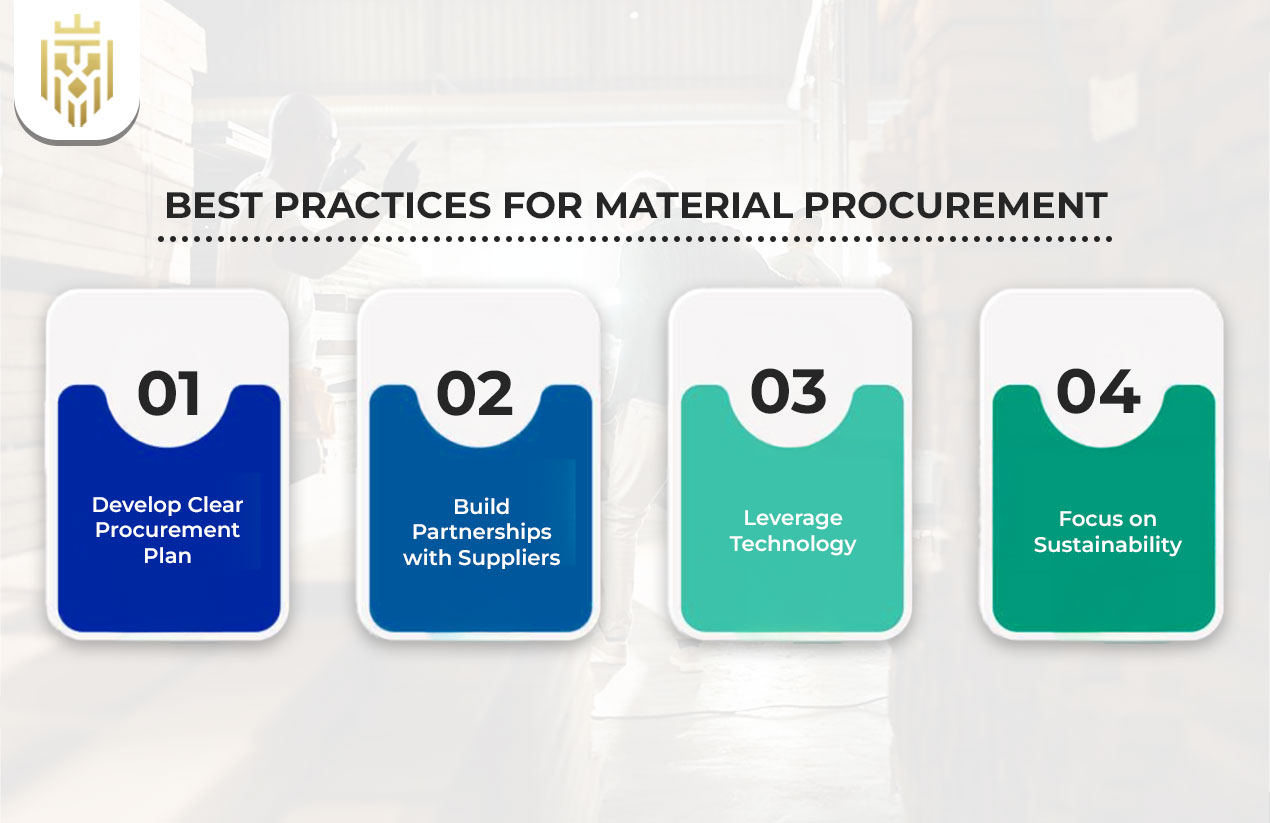
Adopting the best practices in procurement management adds efficiency and cost control. Corporations pay attention to digitalisation, relations with vendors and transparency of the processes. It enhances supplier networks and their responsiveness. Strategic procurement guarantees sustainable growth, enhanced visibility, and agility in operations in case of a changing market.
Develop Clear Procurement Plan
A properly designed procurement planning framework enhances decision-making. Firms get to know how to predict needs and handle the materials effectively. Some of the benefits of procurement are that it lowers costs, increases control of lead time and optimises overall operations along the supply chain.
Build Partnerships with Suppliers
Good relations with suppliers bring long-term benefits in procurement material processes. With cooperation, businesses increase the quality and reliability of delivery. Material procurement is important since it fosters trust and transparency that leads to mutual growth and resiliency of supply chains.
Leverage Technology
E-procurement systems help to simplify transactions, increase their visibility, and minimise manual errors. Organizations learn material flow patterns more effectively. Digital procurement management allows better forecasting, coordinated suppliers, and a more efficient procurement overall.
Focus on Sustainability
Strategic procurement entails sustainable sourcing, which allows environmental and ethical observance. Learning businesses reduce risks and enhances the brand image. The sustainability benefits of procurement are long-term savings and increased trust in the stakeholders.
Challenges in Material Procurement
Procurement in the supply chain has problems such as variation of cost, delay in delivering the goods or services, and quality variation despite its advantages. Knowledge of factors in material procurement prevents such risks among businesses. Risk preparedness, adaptability, and agility are achieved through proper management of procurement.
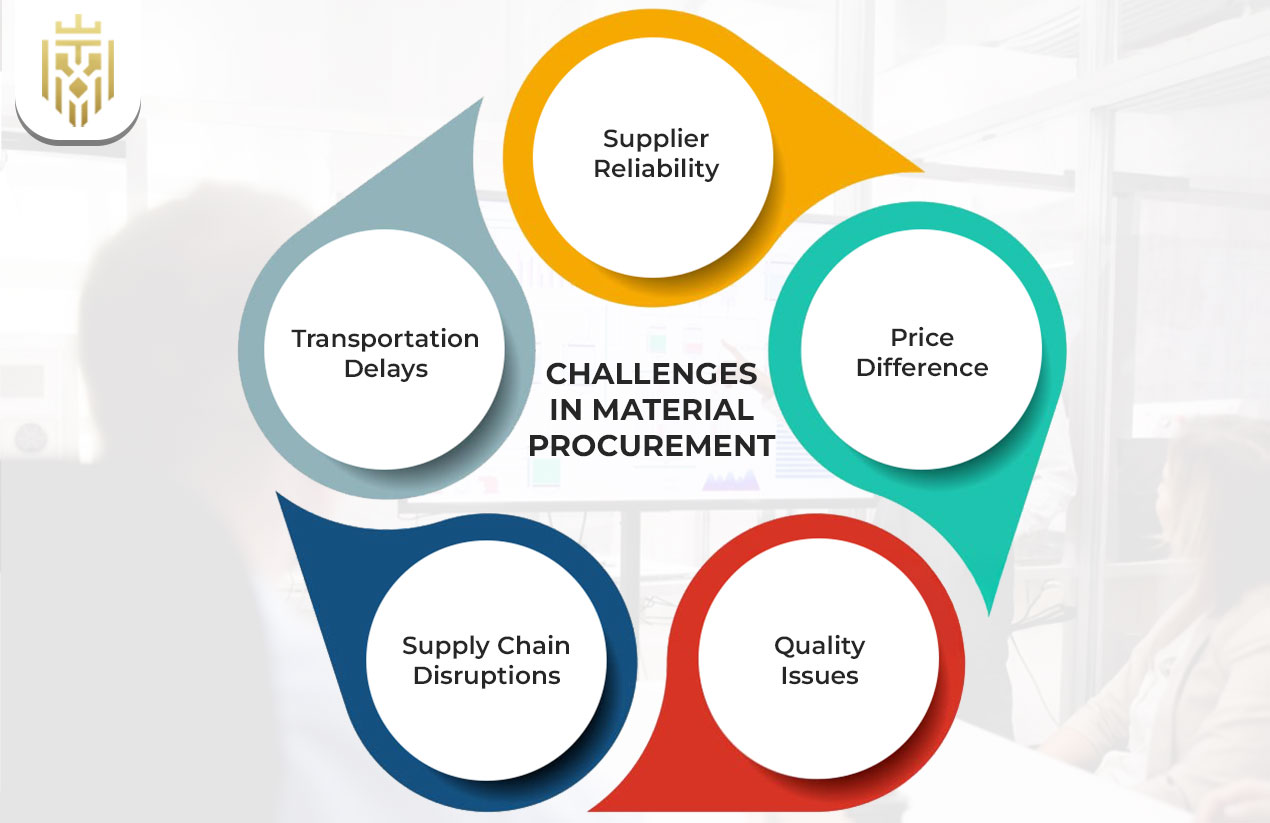
Supplier Reliability
Failure to work with reliable suppliers may result in delay and inefficiency of the procurement process. Companies need to get to know material performance history before engaging suppliers. The procurement process has a lot to do with vendor selection that helps in ensuring continuity of operations.
Price Difference
Variable material costs have an influence on costs and profit. Trends monitoring and data-driven decisions are examples of how businesses use e-procurement tools to monitor their trends. Procurement planning eliminates the sudden change in price, which secures the cost and operation under greater control.
Quality Issues
Materials of inferior quality may affect the production schedule and the performance of products. Strategic procurement helps companies to preserve the quality standards and consistency. Significance of material procurement will only allow the supply chain to use the high-quality inputs.
Supply Chain Disruptions
The procurement teams are faced with the challenge of responding quickly to supply chain disruptions. Companies are resilient and have contingency plans through proper management of procurements. The positive impact of procurement will ensure that there is minimal downtime in the operations and increase the speed of recovery.
Transportation Delays
The delays in transportation affect procurement performance. Companies with strategies of procurement planning seek to predict and solve logistical risks in advance. Supply chain procurement needs to be responsive in order to deliver on time and create minimal impact on production.
FAQs
1. What is Material Procurement?
Material procurement meaning includes researching, selecting, ordering, and paying for raw material procurement. Companies refine vendor selection and contract agreements to optimize supply chain operations. A well-managed procurement process improves cost efficiency and production stability.
2. What are the Factors to Consider in Material Procurement?
Quality, availability, cost, and delivery time are key factors. Supplier evaluation and efficient material procurement procedure ensure smooth operations. Balancing these elements minimises risks and enhances procurement success.
3. What is the Importance of Material Procurement?
A well-structured material procurement procedure ensures a steady raw material procurement supply, cost efficiency, and operational excellence. Effective material procurement enhances supplier relationships and reduces disruptions. Strategic sourcing strengthens the entire supply chain.
4. What are the Steps for the Procurement Process?
The procurement process involves identifying needs, requisition approval, supplier selection, negotiation, order placement, material inspection, and payment processing. A structured material procurement procedure improves efficiency. Following these steps ensures consistency and cost control.
5. What is the difference between material procurement and purchasing?
Material procurement deals with strategic procurement planning, selection of vendors, and alignment of the supply chains, whereas purchasing deals with transactional buying of materials, processing of orders, and payment of suppliers in the procurement process.
6. Can material procurement be outsourced?
Yes, one can outsource material procurement to the services of specific partners and meet the management of procurement, costs, and efficiency. Outsourcing assists businesses to concentrate on the core business activities, and the outsourcing department can manage sourcing and procurement planning.