Packaging Waste in Logistics
The problem of packaging waste in logistics is associated with the overuse of plastic, cardboard, and bubble wrap. Good packaging waste management aims to reduce and reuse waste using innovative methods to enhance reduction of waste and minimisation of environmental impact throughout the logistics and transportation network.
Growing Problem of Packaging Waste
E-commerce has been growing at a sky-high rate, which has augmented packaging waste; hence, the challenge in the management of waste globally. To solve this, businesses are shifting towards sustainable packaging methods that consist of minimising plastic waste, focusing on recyclable materials, and waste minimisation as a method to ensure sustainability in the environment over the long run.
Importance of Sustainable Packaging
Sustainable packaging has a great contribution in reducing waste and recycling waste, which enables companies to cut down on packaging waste and carbon emissions. Through eco-friendly packaging and maximising material selection, organisations can achieve sustainability objectives as well as enhance efficiency in logistic activities.
Practical Strategies to Reduce Packaging Waste

Waste reduction strategies in logistics are aimed at developing sustainable packaging, promoting reuse, and enhancing recycling. The management of packaging waste is efficient to achieve reduced costs, waste minimisation, and long-term environmental savings due to the data-driven, scalable sustainability actions throughout the logistics value chain.
Transition to Reusable Packaging Systems
The transition to reusable packaging systems reduces the use of single-use materials and the cost-effectiveness of waste. This sustainable strategy is not only in favour of zero-waste packaging, but it also reinforces waste minimisation and recycling in the supply and distribution network.
Optimize Packaging Design
The choice of packaging design can be optimised to decrease the amount of unused material, enhance the efficiency of sustainable packaging, and decrease expenses. It promotes the development of recyclable packaging materials that are in line with eco-standards and support the waste reduction policies.
Improve Recycling Efficiency
Increasing the level of packaging waste recycling makes sure that the materials and their reuse are effective. Companies that combine waste management and waste segregation programmes attain greater recycling rates and waste reduction results throughout the supply chains.
Implement Material Substitution
Eco-friendly packaging material such as recycled paper and biodegradable films minimises the effects on the environment. It is a waste minimisation plan helping to maintain green packaging and substitute non-recyclable materials with more environmentally friendly ones in logistics.
Implement Waste Management Systems
The packaging waste of all logistics stages is monitored and controlled with the help of comprehensive waste management systems. Using effective waste sorting and waste minimisation with the help of data, companies make sure that the playing field is even and stay sustainable in all processes.
Adopt Digital and Smart Technologies
Intelligent technologies help to trace waste packages and utilisation of resources. IoT and AI systems facilitate the minimisation of waste and recycling, and they increase the efficiency of packaging waste management and sustainable innovation in the sphere of logistics.
Train and Engage Employees
Training teams on waste-minimisation practices contributes to increased compliance and participation. The employees should be trained on waste minimisation measures to guarantee the adoption of sustainable packaging methods across logistics and distribution channels.
Benefits of Sustainable Packaging
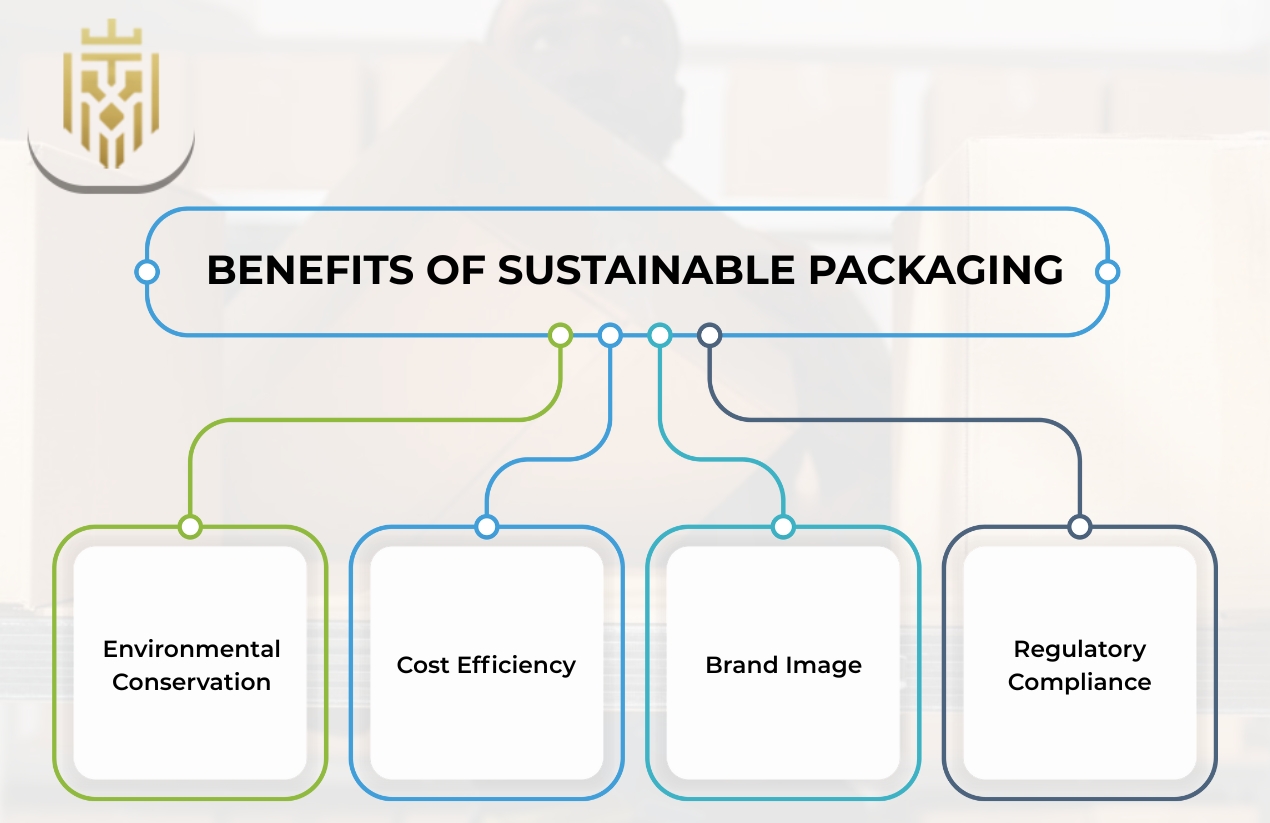
Introducing sustainable packaging will provide economic and environmental benefits. It minimises packaging waste, advances the brand image, and boosts the recycling of the waste. Businesses can enjoy lower costs, enhanced compliance, and supply chain operations that are greener and which are focused on corporate sustainability goals.
Environmental Conservation
Using eco-friendly packaging reduces the carbon footprint and enhances the reduction of waste. It is an important factor in maintaining the ecosystems and saving energy, promoting the sustainability agenda in logistics and global supply chains.
Cost Efficiency
Waste management and sustainable packaging also aid in minimising the operational expenses by optimising the resources. Reduction in material consumption and improved recycling create long-term savings, improving the profitability and ensuring the efficiency of environmentally friendly logistics.
Brand Image
Companies that use sustainable packaging systems enhance the reputation of sustainability. Less packaging waste and maintenance of waste management programmes benefit the public confidence, appeal to socially conscious customers and create a competitive training in the logistics market.
Regulatory Compliance
By recycling packaging waste, one will be meeting the sustainability requirements, which will make sure that environmental policies are followed globally. Through waste management and recycling practices, companies keep their ethical business practices, and are in line with the emerging green requirements in logistics and transportation.
Integrating Circular Economy Principles
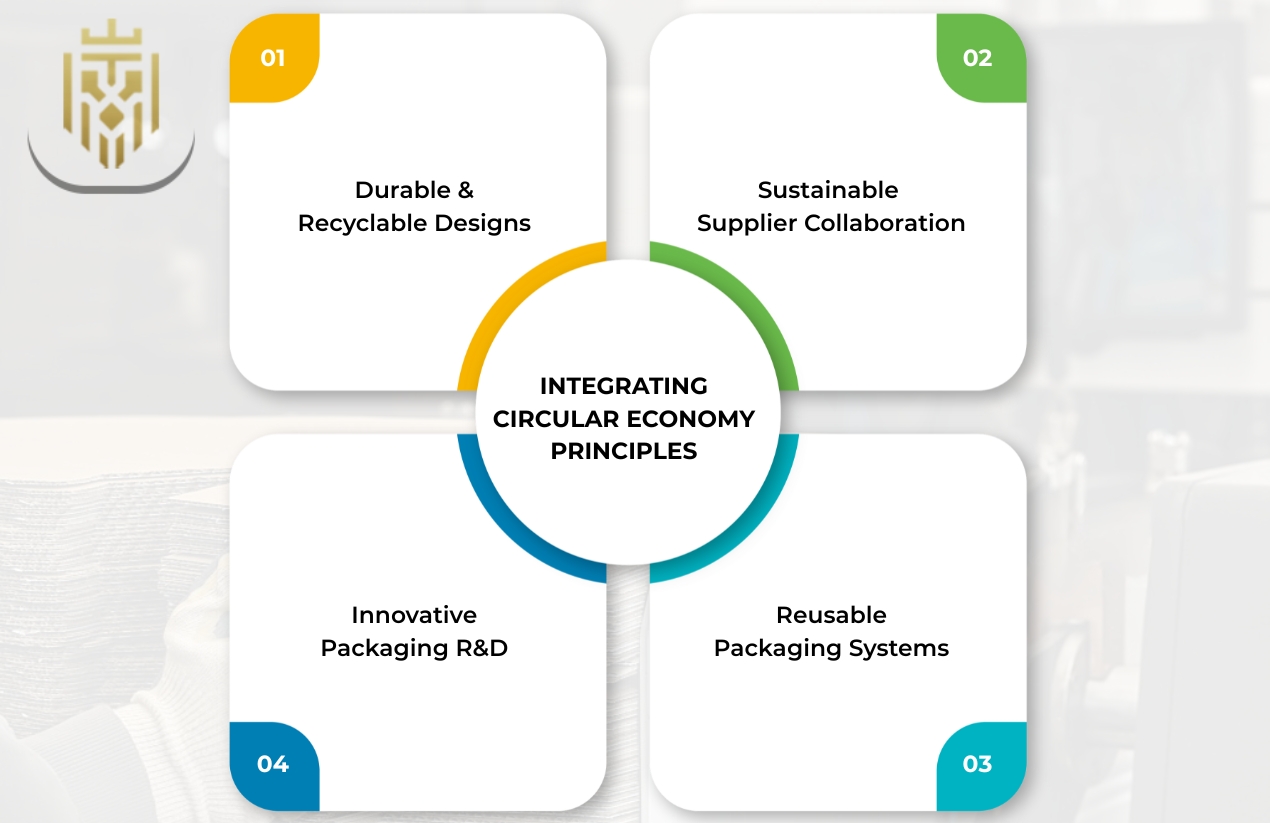
Adoption of the concept of a circular economy will aid in decreasing the amount of waste through packaging and increasing the lifecycle of a product. Companies that embrace a sustainable packaging model are interested in reusing and reducing wastage to attain complete circularity in the logistical activities.
Durable & Recyclable Designs
Learning to make long-term sustainable packaging will minimise waste and increase recyclability. These green packaging options are in line with the waste-cutting approach, which fosters the optimisation of the logistics chain lifecycle and sustainability performance.
Sustainable Supplier Collaboration
Collaboration with suppliers that focus on sustainable packaging solutions enhances accountability in the supply chain. The cooperation leads to creative approaches to packaging waste disposal and provides the presence of the similarity of the green logistics principles’ implementation across the network of procurement.
Reusable Packaging Systems
Use of packaging material lowers the production of materials and wastage. Zero-waste packaging initiatives allow multi-use loops that enhance the efficacy of resources alongside the enhancement of waste reduction and recycling goals within logistic regimes.
Innovative Packaging R&D
The study regarding sustainable packaging materials leads to creativity in the reduction of waste. The creation of eco-friendly packaging options, like the use of compostable polymers, promotes sustainability objectives and reduces environmental effects in the logistics processes.
Monitoring Progress

Monitoring of package waste projects continuously guarantees quantifiable outcomes. Setting up waste reduction strategies and KPIs and assessing the packaging waste management systems enhance accountability and transparency in the sustainability goals.
Packaging Material Usage per Shipment
In order to deal with packaging waste, tracking the use of materials per shipment is in place. The use of sustainable packaging solutions will guarantee the setting of a balanced use, lessening wasteful materials, and consistency with the aims of waste reduction.
Percentage of Recycled Materials
The evaluation of recycled materials demonstrates the development towards waste reduction and recycling. The increased rate of recycling means that the packaging waste is effectively managed, which can make the logistics activities shift towards sustainable performance.
Reusable-To-Single-Use Packaging Ratio
Assessment of the ratio of reusable to disposable packaging impels the reduction of waste. Reusable packages will help minimise the amount of waste generated in landfills and facilitate sustainable packaging during the logistics system.
Cost Savings from Reuse and Recycling
The financial impacts of waste recycling can be proven by calculating the cost-cuts of reuse. Companies that know how to implement sustainable packaging attain quantifiable waste minimization and efficiency in businesses and enhance environmental accountability.
FAQs
1) What are the main causes of packaging waste in logistics?
The high levels of single-use materials, improper design, insufficient waste management and the ineffective waste segregation mechanisms lead to high levels of packaging waste in the logistics, which adds to the costs and environmental damage in the global operations of supply chain of activities.
2) What materials are best for sustainable packaging?
Sustainable packaging involves the use of eco-friendly packaging components such as biodegradable plastics, recycled paper, glass or metal, to reduce packaging wastes and contribute to circular logistics systems with reduced environmental footprints.
3) Why is the circular economy important for logistics?
A circular economy minimises packaging waste, encourages reuse, recycling, and minimization of waste, enabling logistics to fulfil the sustainability objectives and save resources and increase the effectiveness of operation in the global supply chain.
4) What is the role of employee training in waste reduction?
Training employees enhances better waste sorting, motivates waste management, and sustainable packing behaviour that enables logistics units to be more effective in recycling and overall environmental performance.