What Is On-Demand Delivery?
On-demand delivery is a logistics model where goods are delivered immediately or within a very short time frame, often on the same day or within a few hours of placing an order. This model is responsive in real time, flexible and fast unlike scheduled shipping.
An on-demand delivery service uses digital platforms, routing technology, and local courier networks to match orders with available drivers. The strategy is popular in the retail, health, food delivery, and logistics, as well as e-commerce sectors.
On-demand delivery enhances customer satisfaction and provides businesses with a competitive advantage in the last-mile logistics, as it allows providing immediate delivery and tracking of the shipments.
Benefits of On-Demand Delivery for Businesses

Faster Delivery Experience
The modern logistics is highly differentiated based on speed. On-demand delivery allows businesses to offer same-day delivery or even instant delivery, significantly reducing order-to-delivery time. This enhances brand equity and assists the companies to be differentiated in the flooded markets.
Increased speed of deliveries also shortens the inventory holding time and enhance cash flow, making the operations more efficient and responsive to the changes in demand.
Improved Customer Convenience
The customers are becoming more and more conscious of convenience rather than cost. An on-demand delivery service allows businesses to offer flexible delivery windows, location preferences, and express delivery options. The resulting increase in customer satisfaction, a repeat purchase, and brand loyalty is achieved through this convenience particularly in competitive local delivery markets.
Reduces Failed Deliveries
Failed deliveries are expensive and discourages customer confidence. On-demand delivery minimises this risk by enabling real-time delivery tracking and customer-selected delivery times. Each time a business wants to deliver something, it can be sure that with improved communication and proper routing, its first attempt will be successful, which means that it will not cause wastage of operational resources and re-schedulation expenses.
Enables Wider Audience Reach
Demand-based logistics services enable companies to increase their coverage to broader delivery areas. Companies can serve new geographies on a cost-efficient basis by using the benefits of local courier networks and quick dispatch systems. This scalability enables start-ups and business ventures to expand without the investment in the fixed delivery infrastructure.
Offers Better Tracking
Modern on-demand delivery platforms provide real-time tracking, automated notifications, and delivery confirmations. Such transparency enhances the visibility of operations and customer confidence. In case of business, enhanced tracking implies enhanced accountability and performance analysis, as well as logistics optimisation at the basis of data.
Benefits of On-Demand Delivery for Customers

Faster Delivery Times
Customers like speed as one of the greatest advantages. On-demand delivery ensures products arrive within hours instead of days, meeting urgent needs and expectations. Fast on-demand delivery will provide real value to the customer experience whether it is necessary papers, food, or objects of high value.
Greater Convenience
Customers are at liberty to make orders anytime and have deliveries made to their desired location. This elasticity is particularly significant to the urban consumers who appreciate time consumption. An on-demand delivery service removes the need to plan around rigid delivery schedules, making everyday logistics seamless.
Flexible Delivery Options
On-demand service provides a variety of options, such as express delivery, scheduled same-day delivery, and hyperlocal courier. Such a flexible nature will allow customers to select delivery options that are more convenient and aligned on their lifestyle, urgency, and budget.
Real-Time Order Tracking
Delivery tracking will ensure that customers are aware of the delivery process in real-time. Live maps, notifications and updates on ETA will help to reduce anxiety and trust. One of the reasons why customers choose on-demand logistics rather than the traditional means of shipping is their transparency.
Reduced Waiting Time
Conventional shipping can be characterized by long waiting hours. On-demand delivery significantly reduces waiting time, ensuring faster order fulfilment and instant gratification. Such enhanced experience leads to repeat and increases customer loyalty.
How Does On-Demand Delivery Work?
On-demand delivery operates through a technology-driven workflow that connects customers, businesses, and delivery partners in real time. All the steps are optimised on speed, accuracy and efficiency.
Order Placement
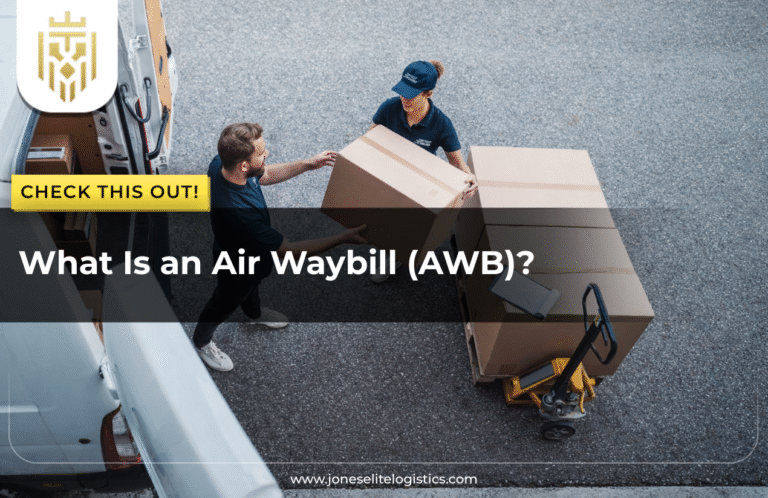
It starts with a customer making an order at a site, application or a delivery service. The system automatically stores ordered location, time preference, and orders. This online order placement is accurate and can be processed fast in the logistics network.
Order Matching
After the order has been received, the platform matches it through smart routing algorithms with the closest courier or delivery partner. This will save response time and proper utilisation of resources to deliver on-demand quickly.
Pickup
The designated courier gets pick up orders and gathers the product in the warehouse, store, or fulfillment centre. Efficient dispatch systems and local delivery hubs are used to reduce delays of pick up stage.
Real-Time Tracking
Customers and businesses are able to follow the shipment in real time after pickup. Tracking GPS allows real-time tracking, approximate arrival and delivery notification. This transparency boosts confidence and makes it possible to proactively communicate in case of delays.
Fast Delivery
The last one is last-mile rapid delivery. The optimised routes are deployed by couriers to develop the quickest route in delivery whilst maintaining dependent and security. This completes the on-demand delivery cycle with speed, accuracy, and customer satisfaction.
Challenges in On-Demand Delivery
Along with its positive sides, on-demand delivery is also associated with operational and strategic issues that companies have to deal with.
High Operational Costs
In fast delivery, there is the need to invest in technology, courier networks, and logistics infrastructure. The efforts of controlling fuel prices, driver bonuses, and maintaining the platform may raise costs. Balancing cost efficiency with service quality is a key challenge for on demand delivery service providers.
Last-Mile Delivery Issues
The most complex and costly aspect of logistics is usually last-mile delivery. The delivery schedules can be affected by traffic jams, wrong addresses, and lack of accessibility to the customers. These challenges will have to be addressed through effective routing and local delivery expertise.
Workforce Management
On-demand logistics is dependent on delivery staff. Workforce availability, performance, and compliance may be challenging to manage particularly during the peak demand periods. Training and technology support are also important in ensuring a reliable service.
Technology Dependence
On-demand delivery depends on digital platforms, GPS tracking, and real-time data. Technical glitches or failure of the system may disrupt the operations and customer experience. Companies should invest in extendable and powerful technology in order to provide continuous service.
FAQ
1) What is on-demand delivery?
On-demand delivery is a logistics model that enables goods to be delivered immediately or within a few hours of placing an order. It is speedy, flexible, and real-time oriented.
2) How does on-demand delivery work?
On-demand delivery operates with use of digital platforms, which pair customer orders with local couriers. It involves placing of orders, courier matching, pick up, tracking and fast delivery.
3) What are the benefits of on-demand delivery for businesses?
On-demand logistics solutions help businesses in delivering faster, ensuring customer satisfaction, failed deliveries, better tracking, and reaching more markets.
4) What are the benefits of on-demand delivery for customers?
Customers enjoy faster deliveries, greater convenience, flexible delivery options, real-time tracking, and reduced waiting times with on demand delivery services.
5) How does on-demand delivery work?
On-demand delivery operates using technology-driven platforms that coordinate real-time dispatch, routing, and last-mile delivery to ensure fast and reliable shipping.