What Is an Air Waybill (AWB)?
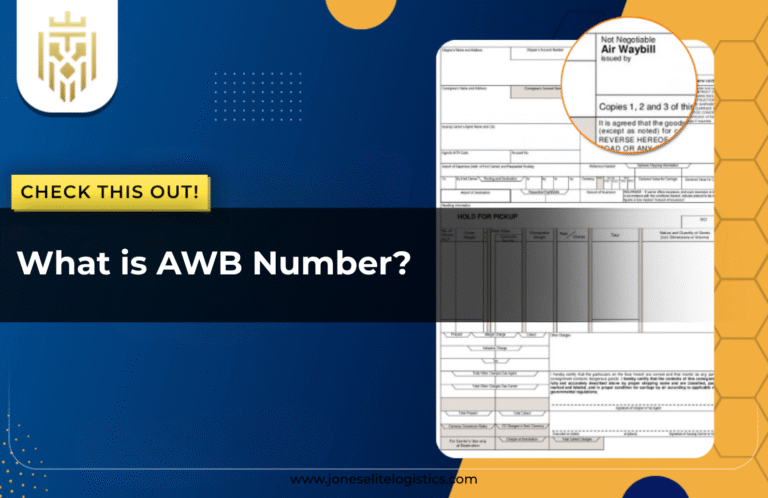
An Air Waybill is an aircraft shipping document that is a standard in air transport and which comes with an air cargo shipment. The Air Waybill meaning refers to a non-negotiable transport document that is issued by airlines or freight forwarders, specifying the terms of shipment, route, duties as well as handling instructions in global import/export logistics processes.
Key Information on an Air Waybill
An Air Waybill contains the shipper and consignee, origin and destination airports, weight of cargo, description of cargo, charges and instructions for handling. This type of transport document is used in Air Waybill in logistics to guarantee that the freight is correctly handled, freight forwarding is successful, there is compliance with regulations, and there is visibility of the shipment to the supply chain.
Types of Air Waybill
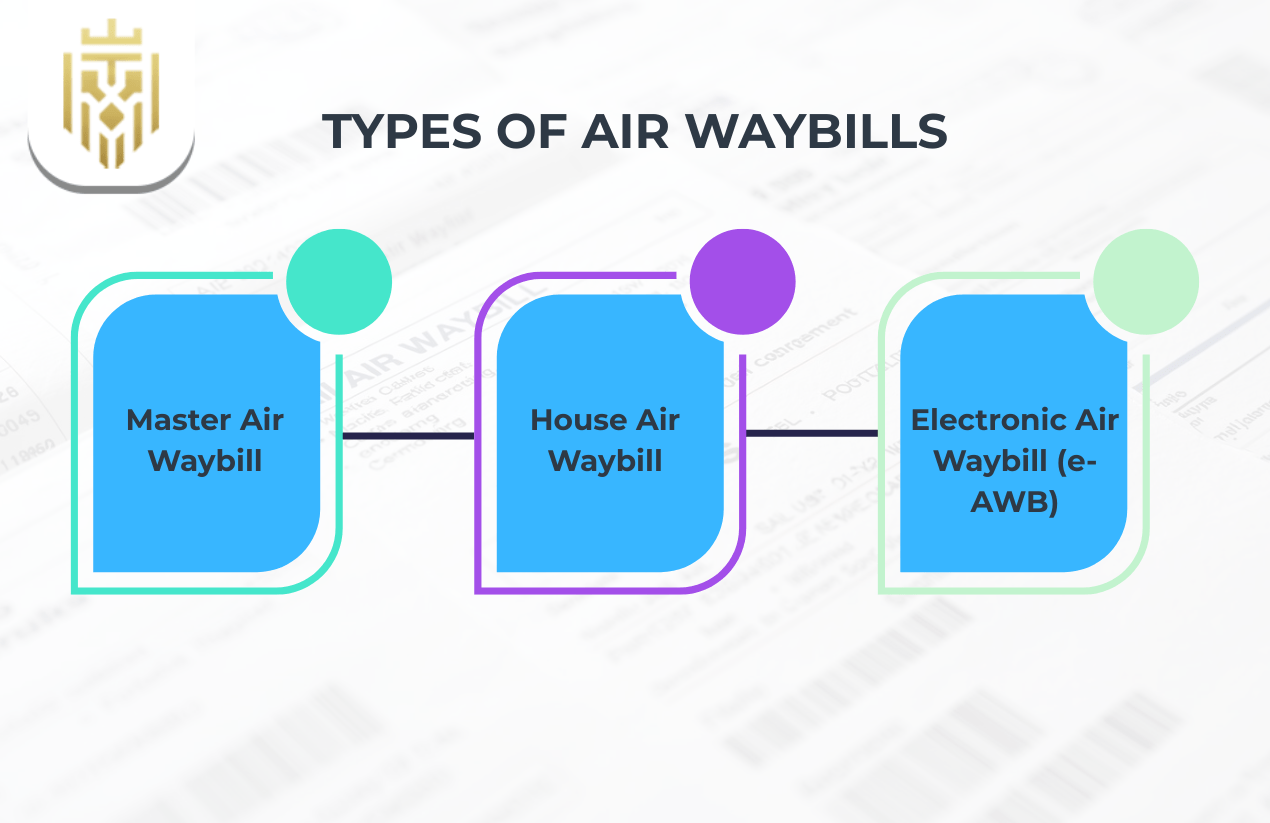
There are many models of air transport that are used to carry the cargo, which are supported by different forms of Air Waybill. These kinds ensure the accountability between the airlines and the freight forwarding agents, enhance the accuracy of documentation, traceability of the shipments, and operational clarity of the domestic and international imports and exports, and move air cargo.
Master Air Waybill
A master Air Waybill (MAWB) is provided by the airline business to the freight forwarder in regard to the consolidated air cargo shipment. In logistics Air Waybills, the MAWB is the leading transport document, which determines the liability of the airlines, the routes, and the freight costs of the group of freight delivery movements within a single contract.
House Air Waybill
A freight forwarder issues a house Air Waybill to individual shippers in a consolidated air cargo shipment. This shipping document recognises the ownership of a particular cargo shipment, which facilitates the improved freight forwarding and shipment tracking as well as proper documentation of intricate import/export activities.
Electronic Air Waybill (e-AWB)
The electronic Air Waybill digitises the traditional documentation, which removes the paper-based procedures in the air transport. e-AWB, as a component of the modern Air Waybill in logistics, improves both the efficiency of cargo handling and the error rate, shortens the customs clearance process, and facilitates the safe and accurate freight forwarding processes in the entire world.
Why Is an Air Waybill Important?
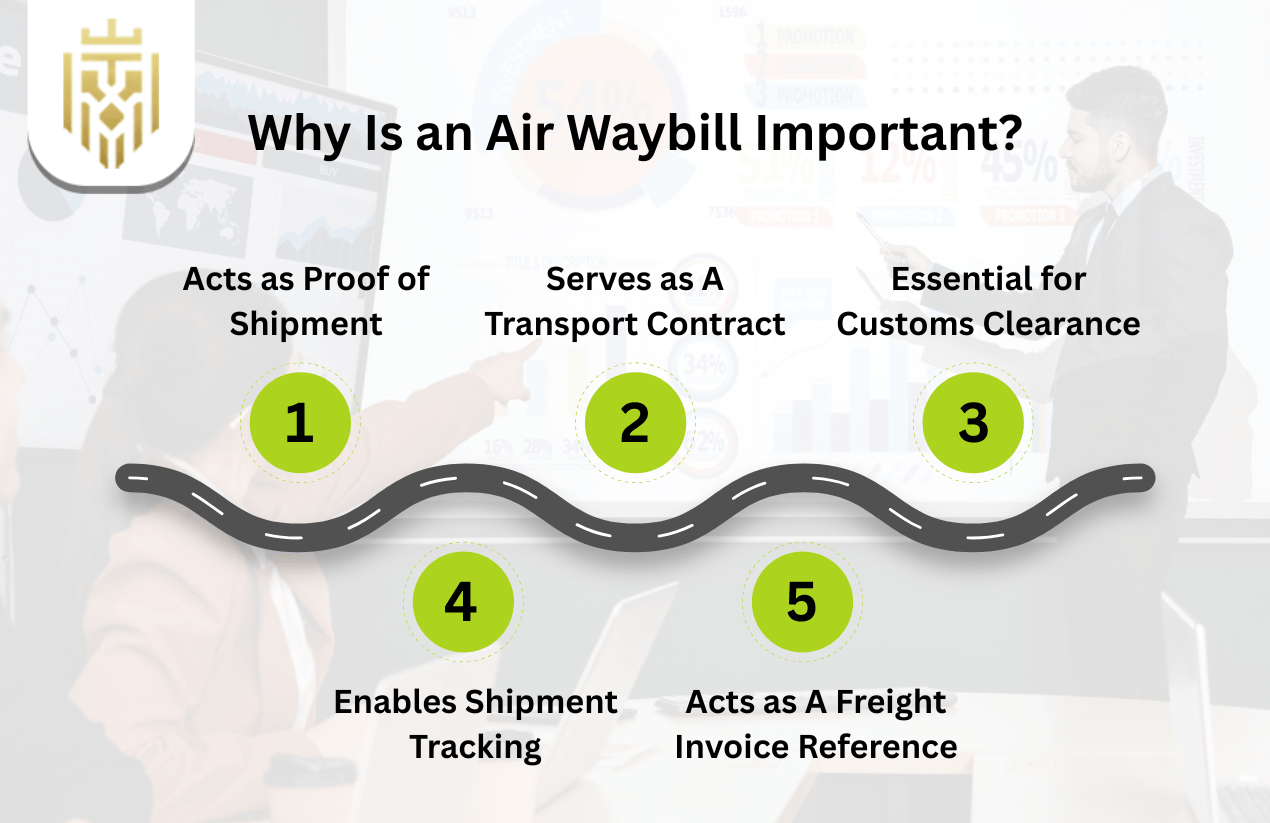
An Air Waybill is important because it serves operational, legal, and tracking purposes in air cargo logistics. This transport document assists in airline contracts, regulatory compliance, visibility of shipments, accountability, and financial reconciliation across the entire cargo shipment lifecycle in import/export trade across the globe.
Acts as Proof of Shipment
An Air Waybill is itself a formal document that the airline received goods that are by airway. The shipping document will ensure the handover of shipment confirmation, claims resolution, audit and accountability, and also can offer verifiable evidence to freight forwarding activities in international import/export transactions.
Serves as A Transport Contract
The Air Waybill is a binding transport contract between the shipper and the airline. It defines freight terms, liability and routing provisions and service obligations in Air Waybills in the logistics sector to provide legal clarity to cargo shipment handling and air cargo transportation activities.
Essential for Customs Clearance
Customs officials use Air Waybills to confirm the details of shipments, the value of cargo, the country of origin and the country of destination. This transportation paper will facilitate proper determination of duty, risk screening and compliance with regulations which allow faster clearance and continuous movement of air cargo in import/export activities.
Enables Shipment Tracking
An Air Waybill number will enable real-time monitoring of cargo shipment status in both airline and forwarder systems. This shipping document enhances visibility and proactive handling of issues and customer communication that reinforces the reliability of freight forwarding networks and the global air transport supply chain.
Acts as A Freight Invoice Reference
The Air Waybill serves as a guideline to freight charges, surcharges and validation of bills. Within the Air Waybill, it assists in clear invoicing, conflict resolution, and financial reconciliation, which is accurate with the cost of cargo handling, airline services, and the cost of air cargo transportation.
Difference Between Air Waybill and Bill of Lading
The distinction between a Bill of Lading and an Air Waybill is in the negotiability, ownership and mode of transport. An Air Waybill is mandatory and finds application in air transport, whereas a Bill of Lading applies to sea freight and may reflect the rights of ownership of cargo.
Common Mistakes to Avoid in an Air Waybill
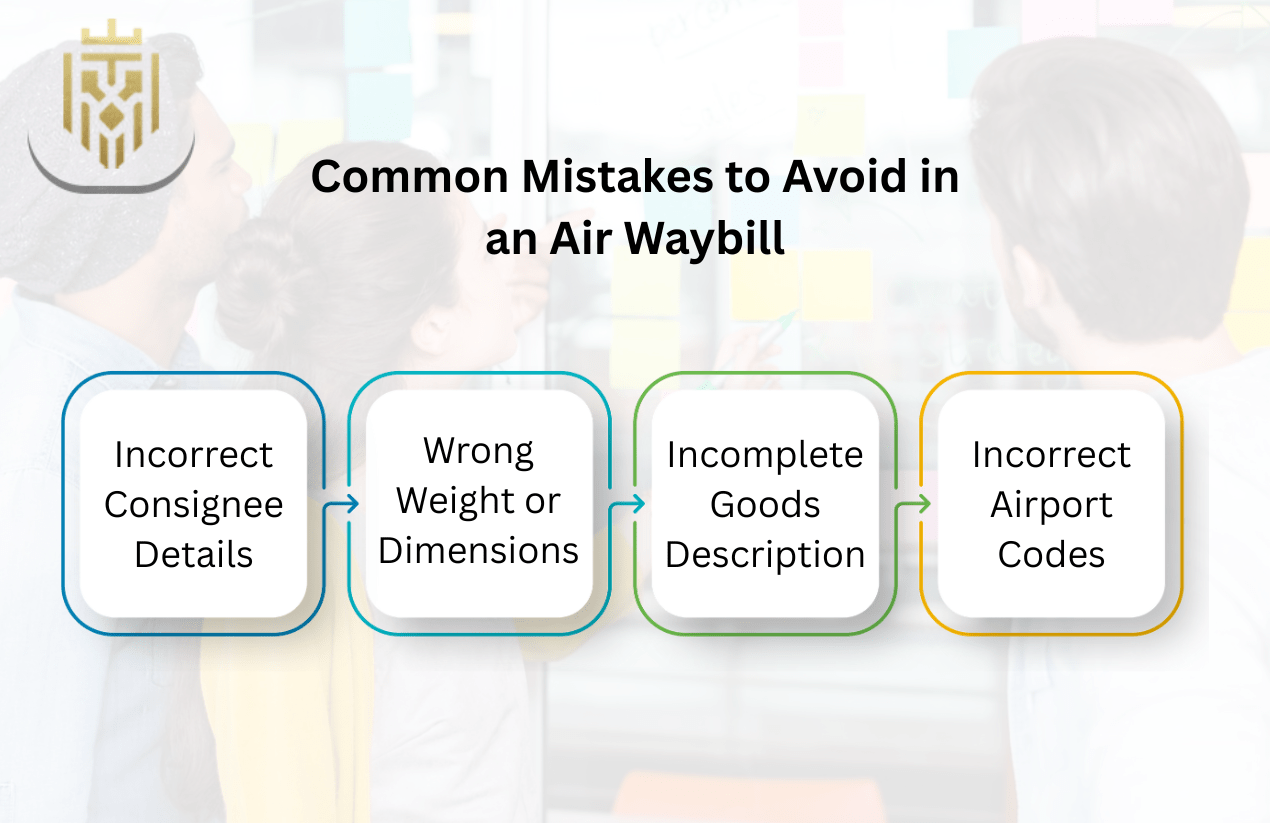
Misstatements in an Air Waybill may slow down the delivery of cargo, create more compliance risks, and involve monetary losses. Proper filing of this shipping document is needed to facilitate the process of freight forwarding, clearance by the customs, acceptance by the airline, and effective process of handling air cargo.
Incorrect Consignee Details
Inaccurate consignee details on an Air Waybill may inhibit the shipment clearance of cargo at the destination. This transport paper should be a perfect replica of legal and customs documentation to prevent dwell time of clearance, misdelivery hazard, and regulation challenges in case of importation/exportation and air transportation.
Wrong Weight or Dimensions
Wrong weights or sizes on an Air Waybill affect aircraft planning, safety compliance and freight billing. The correct cargo handling information in this shipping document will guarantee correct charges, efficiency of operations and unbroken movement of air cargo across airline and freight forwarding systems.
Incomplete Goods Description
The incomplete description of goods on the Air Waybill adds more scrutiny and delay in the shipping at the customs. This transport document should have clearly stipulated the contents of the shipment of cargo that will be used in facilitating accurate classification, security screening and ease of import/export clearance in regulated air cargo operations.
Incorrect Airport Codes
A wrong origin or destination airport code in the Air Waybill interrupts the routing of the air transport and delays the air transport schedules. The accuracy and timeliness of this shipping document guarantees the proper handling of the cargo and transfers, as well as effective coordination of freight forwarding and freight air cargo systems.
FAQ
1) What Is an Air Waybill (AWB)?
An Air Waybill (AWB) is a non-negotiable shipping document issued by the airline companies that transport air cargo: it acts as evidence of shipment, a contract of transport and a reference of tracking in international logistics.
2) What is the difference between Air waybill and Bill of Lading?
The Air Waybill is a non-negotiable document applicable to air transportation, and a Bill of Lading is a negotiable document applied to sea freights and can be a claim to ownership.
3) What are the types of Air Waybills?
The primary categories of Air Waybills are Master Air Waybill, House Air Waybill and Electronic Air Waybill (e-AWB), which accommodate various shipment structures and documentation requirements.
4) What Is the Importance of an Air Waybill?
An Air Waybill is significant in that it is used as evidence of shipment, a transportation contract, facilitates clearing at customs, avails tracking, and facilitates smoothing air cargo and import-export.