What Is a Line Haul?
Line haul is long-distance transportation of freight between large hubs within a logistics network. In line haul logistics, products proceed on systematic transport networks in hubs, which comprise the fundamental foundation of freight transport, linking distribution centres effectively throughout the supply chain.
Types of Line Haul Operations
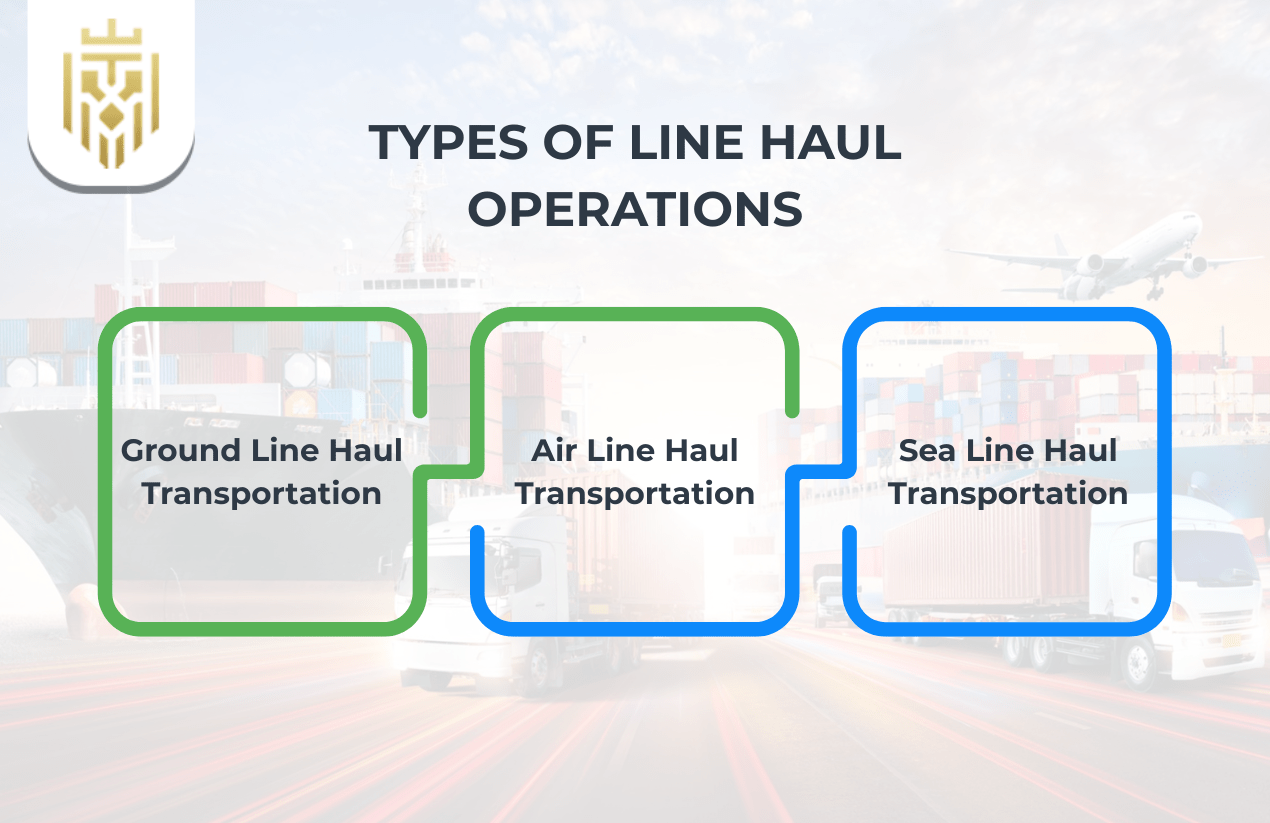
Line haul activities are different depending on the mode of transportation and cargo. All the types of transportation that achieve line haul transportation facilitate effective cargo flow within a transport network and provide efficiency in freight movement across hubs within the transport system as per the timelines and expectations of the supply chains and logistics services.
Ground Line Haul Transportation
Ground line haulage involves transportation of freight through trucks and trailers between hubs over highways. It facilitates predictable cargo transit, it has easy integration with the supply chain, and it is the most popular mode adopted in regional and national freight transport networks.
Air Line Haul Transportation
The logistics of air-based line haul allow the speedy movement of freight over a long distance. It can be utilised in time-sensitive cargo movement, which enhances the transport network by minimising delays during transit and facilitating high-value logistics services in global supply chain operations.
Sea Line Haul Transportation
Bulk freight transportation through international routes is aided by sea line haul transportation. It is also critical to the line haul supply chain since it facilitates affordable cargo transportation between ports, enhancing hub transports to the global logistics services systems.
Benefits of Line Haul in Logistics
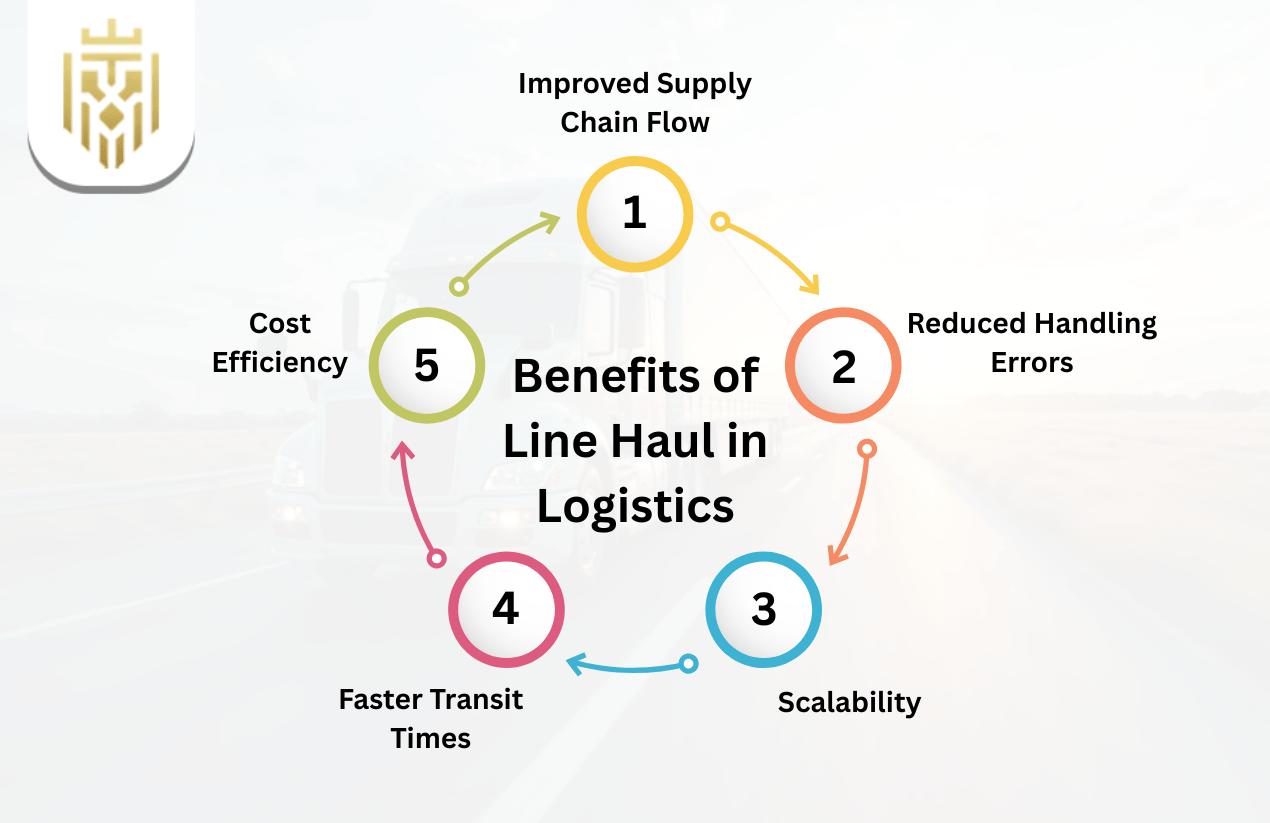
The advantages of line haul logistics are that they are more efficient, cost-effective, and coordinated between hubs. Line haul improves the reliability of transport networks by simplifying the movement of freight in a supply chain, thereby increasing the overall reliability of logistics services.
Improved Supply Chain Flow
Line haul supply chain operations provide the smooth flow of cargo among the hubs with the minimal level of disruption. Freight movement visibility, enhanced transport network and consistent logistics services through structured hub transport are achieved at interrelated stages of the supply chain.
Reduced Handling Errors
The centralised line haul operations minimise manual contacts in the transport of freight. Reduced stages of handling enhance accuracy of cargo movement, reduce risks of damage, and enhance reliability within the transport network that facilitates end-to-end supply chain execution.
Scalability
Logistics with line haul facilitates easy scaling when demand changes. Optimised hub transport can be used to increase the capacity of freight movement in business and to ensure that the transport network is efficient and at the same time offer consistency of logistics services and supply chain stretch.
Faster Transit Times
Specific line haul transportation routes minimise the delays through the removal of unnecessary stops. Streamlined freight transport between hubs will enhance delivery speed, reinforce the supply chain, and optimise overall transport network performance of services that require time sensitivity in the logistics.
Cost Efficiency
The advantages of the line haul logistics are reduced unit transportation costs due to consolidated cargo transportation. The efficient hub transport lowers the fuel and labour costs and maximises freight transport economics in the large-scale supply chain operations.
Difference Between Line Haul and Last-Mile Delivery
The difference between line haul and long haul and last-mile delivery is in scope and distance. Focusing on hub-to-hub freight transport is line haul, whereas final delivery to customers is managed by last-mile delivery, which completes the transport network in the supply chain. Also, long haul serves longer interstate routes or international routes, making fewer stops compared to line haul, which serves planned hub routes, and last-mile delivery, which is more focused on speed, customer experience, and accurate delivery at the doorstep.
How Line Haul Works?
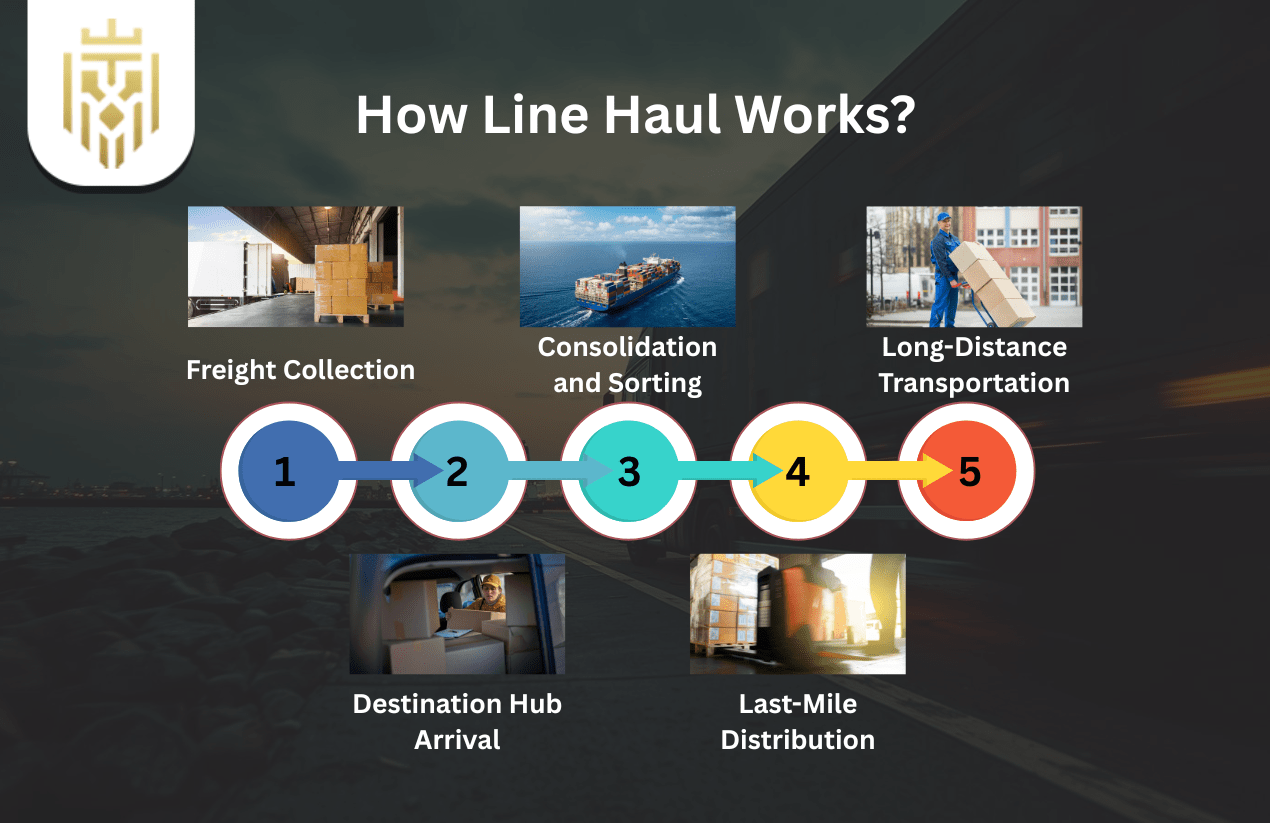
The process of learning about the line haul operations entails systematic processes, including freight pick-up to hub transfers. Every step helps ensure the effective freight flow, enhances the line haul supply chain and delivers credible logistics services in the transport network.
Freight Collection
Freight pick-ups are the means of initiating line haul, where the shipments are collected at the suppliers or warehouses. This is done to bring together the flow of cargo in a compact manner so that freight transportation is ready to be organised in a hub transport as part of the wider supply chain system.
Consolidation and Sorting
In the process of consolidation, line haul transportation groups move deliveries based on destination. It is a process that will maximise freight flow, minimise logistical complexity, and enhance the performance and efficiency of the transport network amongst related logistics services.
Long-Distance Transportation
The line haul of logistics is comprised of long-distance freight transport. Goods that circulate among hubs do so through optimised routes, thus cargo flows smoothly, and there is reinforcement of the transport network that facilitates the flow of national and global supply chains.
Destination Hub Arrival
On arrival, the line haul deliveries arrive at destination hubs where they can be unloaded and checked. Accuracy, enhanced hub transport efficiency and continuity in the line haul supply chain are only some of the benefits of this controlled cargo movement stage.
Last-Mile Distribution
End distribution moves freight between hubs and points of delivery. Although independent of line haul and long haul comparisons, this phase finishes freight movement, as it provides the transport network to be able to provide end-to-end logistics services within the supply chain.
FAQ
1. What is a line haul?
Line haul refers to the long-distance transportation of goods between hubs, warehouses, or distribution centres, forming the main freight movement stage within logistics networks before final local delivery.
2. What are the benefits of line haul in logistics?
Line haul enhances efficiency of transport, reduces unit shipment cost, facilitates bulk freight shipment, improves efficient routes, and provides consistent connectivity between key logistics hubs in the supply chain.
3. What is the difference between line haul and last mile delivery?
Line haul is involved in the transportation of long-distance freight between hubs, whereas last mile delivery deals with the transportation of short distances between local distribution centres to the end customer.